
The Desert Remembers
A Weekend Revisited. Joshua Tree, California.
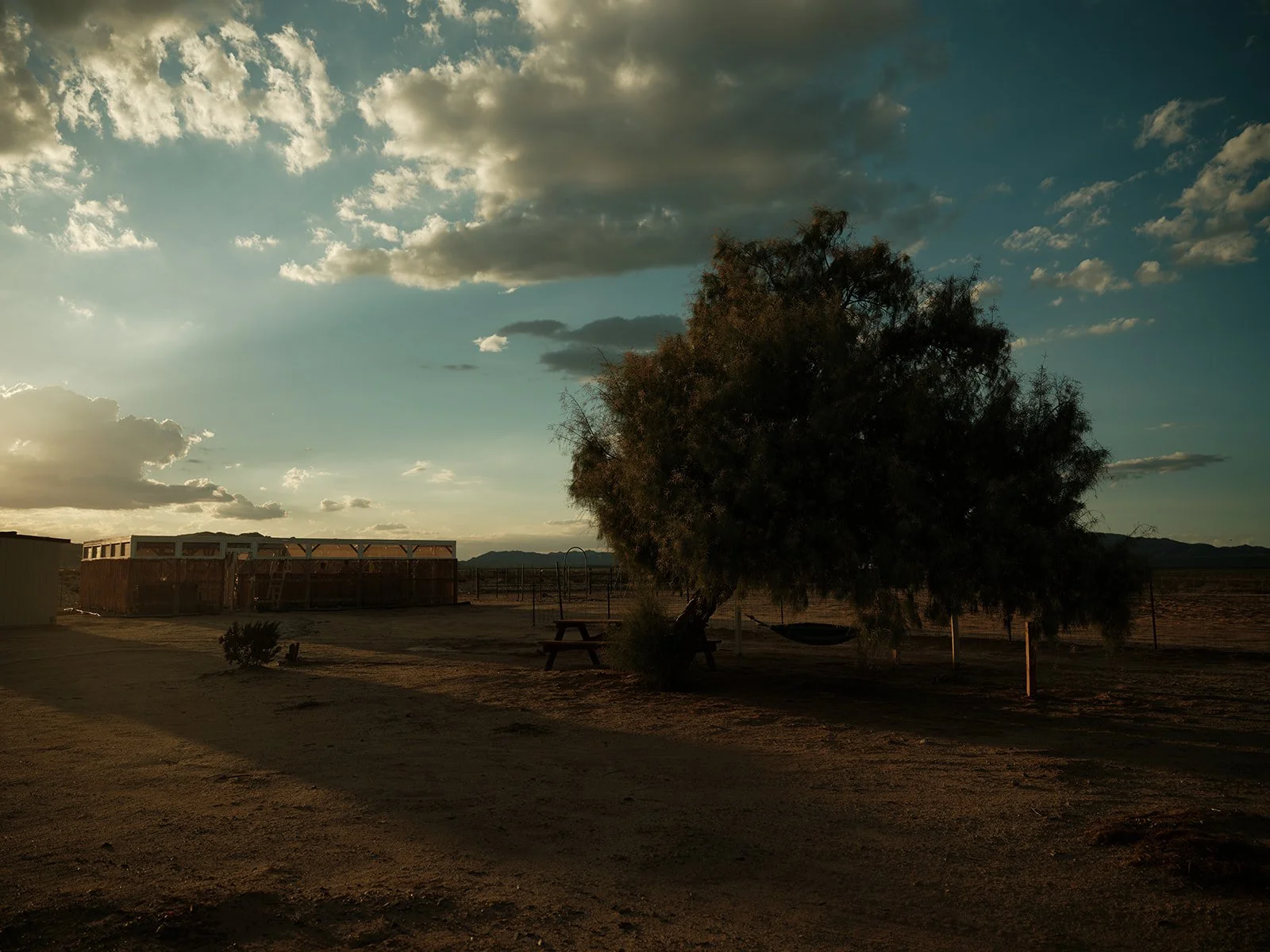
This past weekend offered something that doesn’t happen often enough. Downtime. No deadlines. No client galleries. No notifications demanding attention. Just enough room to wander back through old photographs.
As photographers, we’re always chasing the next image. The next project. The next location. The next opportunity to create something meaningful. Yet sometimes the greatest gift photography gives us isn’t the photograph itself.
It’s the ability to return.
A few days ago, I opened a collection from a trip I made to Joshua Tree several years ago. The moment those images appeared on my screen, I wasn’t sitting in my office anymore.
I was back in the high desert. Back among the giant boulders, twisted Joshua Trees, and endless horizons that seem to stretch beyond what the eye can understand. That’s when it hit me again.
This is why we document our lives. Not because we think these moments are extraordinary when they happen. But because one day they become extraordinary when we look back. Photographs have a way of preserving things we didn’t realize were important at the time.
The air.
The silence.
The feeling.
The version of ourselves that existed in that moment. And Joshua Tree is a place that seems designed to remind us of all of it.
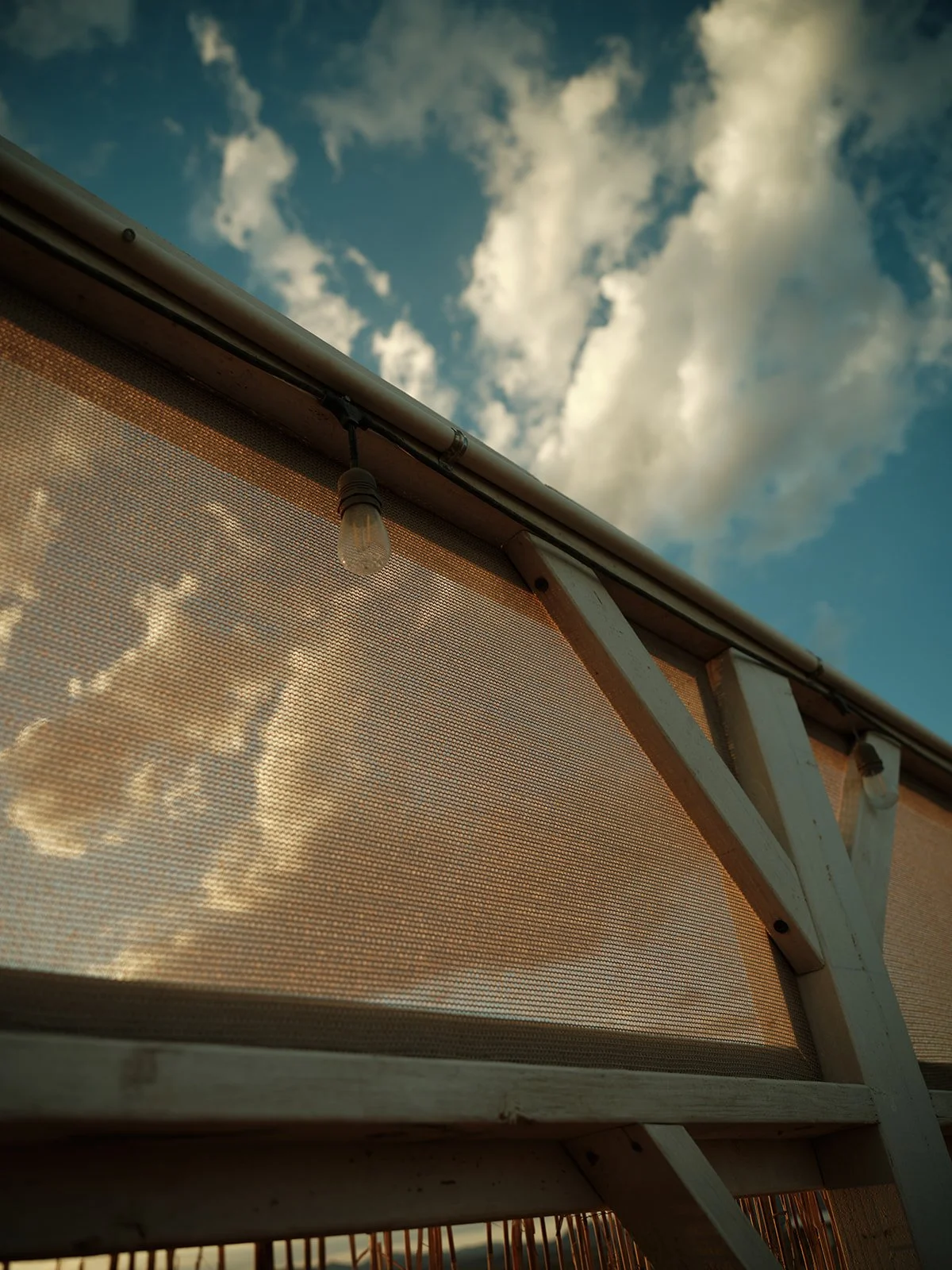
A Different World
For those who have never visited Joshua Tree, it’s difficult to explain what makes it feel so different.
The desert isn’t empty. It’s alive. Not in the loud way cities are alive. In the quiet way. The patient way.
The kind of silence that makes you aware of your own breathing. Coming from Los Angeles, where movement never truly stops, Joshua Tree feels like stepping into another dimension. The traffic disappears. The schedules disappear. The noise disappears.
What remains is space.
Physical space.
Mental space.
Spiritual space.
As the sun begins to lower behind the mountains, everything changes. The rocks begin to glow.
The shadows stretch. The desert floor transforms into a canvas of gold, amber, and deep earth tones. The light doesn’t simply illuminate the landscape.
It wraps around it.
Every surface becomes sculpted by the setting sun.
Every direction feels like a photograph waiting to happen.
And then night arrives.
This is where Joshua Tree becomes something else entirely. The dark skies of the high desert are unlike anything most city dwellers experience. Without the glow of streetlights and skyscrapers, the stars emerge in numbers that almost feel impossible. Thousands become millions. The Milky Way stretches overhead. Constellations become visible.
You look upward and begin to understand why ancient civilizations built stories around the night sky.
For a moment, it feels close enough to touch. The silence deepens. The stars multiply. And the world feels wonderfully small. You realize how much of the universe we forget exists when we spend our lives beneath city lights.
Through the Lens
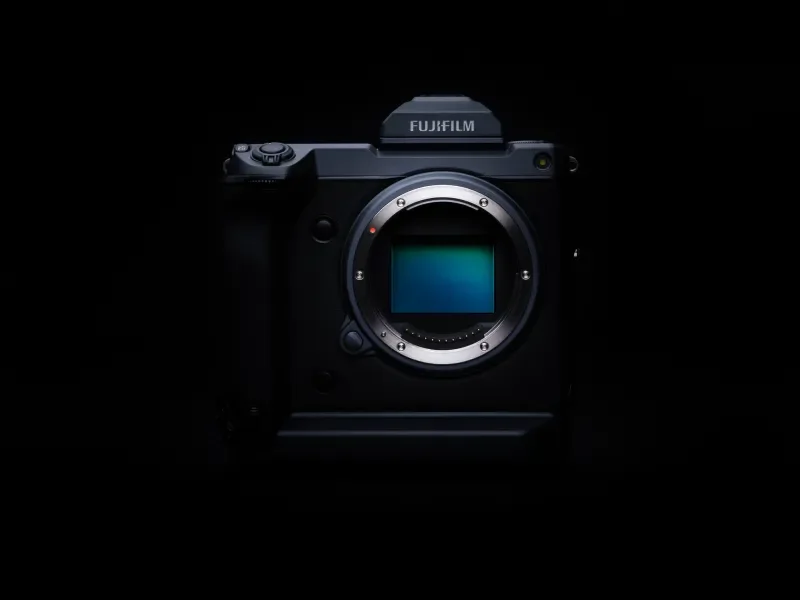
These photographs were created with my Fujifilm GFX 100. A camera whose technical performance almost feels secondary when you’re standing in a place like Joshua Tree. Of course, the image quality is extraordinary. The dynamic range allows highlights and shadows to coexist with incredible detail.
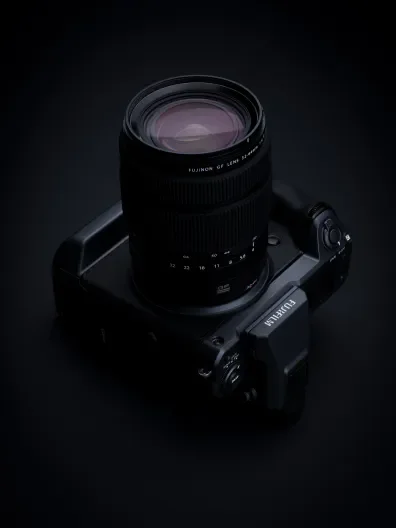
Textures feel tangible.
Colors feel authentic.
The files possess a depth that often makes you feel as though you’re looking through a window rather than at a photograph. But technology alone isn’t what creates these images. Technology simply helps preserve the experience.
The real magic is the light.
The atmosphere.
The feeling of standing there.
The camera becomes a translator.
Its job is to communicate what your eyes and emotions experienced in that moment. The GFX 100 just happens to be exceptionally fluent.
The Final Touch
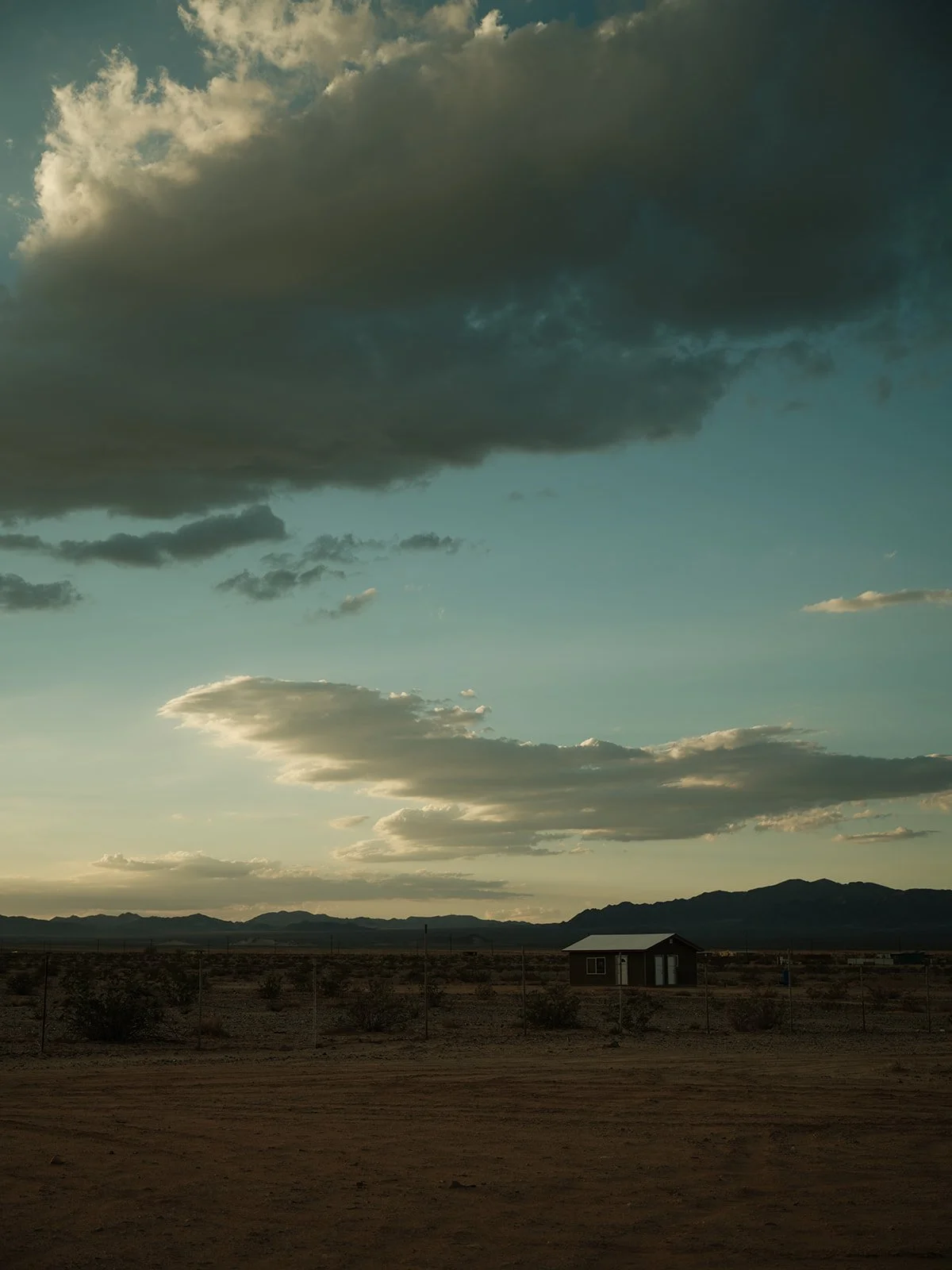
Back in the studio, the work continued inside Capture One. I’ve often said that editing is less about changing reality and more about guiding the viewer toward the experience you had when you pressed the shutter. Joshua Tree is warm. Not just visually.
Emotionally.
I wanted the final photographs to carry that feeling. A little more warmth in the highlights.
A little more richness in the earth tones. A subtle glow that reflected how the desert felt rather than simply how it looked. This is where Capture One continues to shine. The software gives photographers remarkable control over color, allowing subtle refinements that preserve authenticity while enhancing mood. The goal was never to create something artificial.
The goal was to recreate memory. To help the viewer feel the warmth of the sun on their skin.
To feel the stillness of the desert.
To feel present.
The Los Angeles Contrast
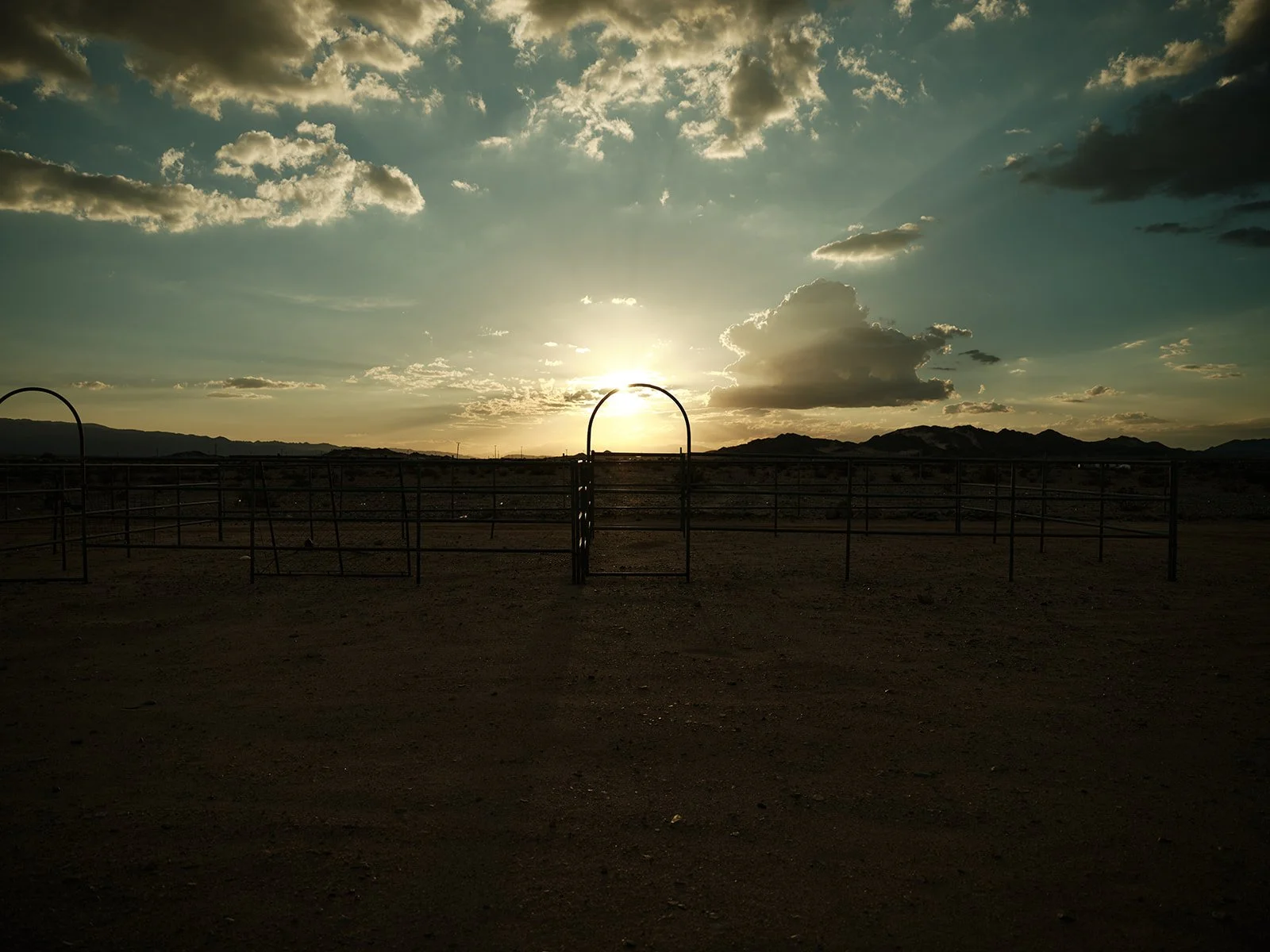
Perhaps that’s why these photographs resonate with me so deeply today. They remind me what it truly means to live in Los Angeles and, more importantly, what a gift it is to have access to some of the most diverse landscapes in the world. One of the greatest advantages of Southern California isn’t necessarily the city itself, but everything that surrounds it. Within just a few hours, you can stand along the Pacific Ocean, hike through mountain forests, wander across vast deserts, or find yourself in places that feel completely untouched by time.
Los Angeles has a way of pulling you into its rhythm. It’s a city built on movement, ambition, and constant momentum. The days move fast. The roads are crowded. The schedules are packed. There is always another meeting, another project, another destination waiting for your attention. While that energy can be inspiring, it can also be exhausting.
Joshua Tree offers something entirely different.
It slows everything down.
It’s one of the reasons so many artists, writers, musicians, and photographers continue to return there year after year. The desert doesn’t ask anything from you. It doesn’t demand your attention with flashing lights, crowded sidewalks, or endless notifications. Instead, it invites you to be still. It reminds you that there is an entire world beyond deadlines and responsibilities, a world that operates at its own pace.
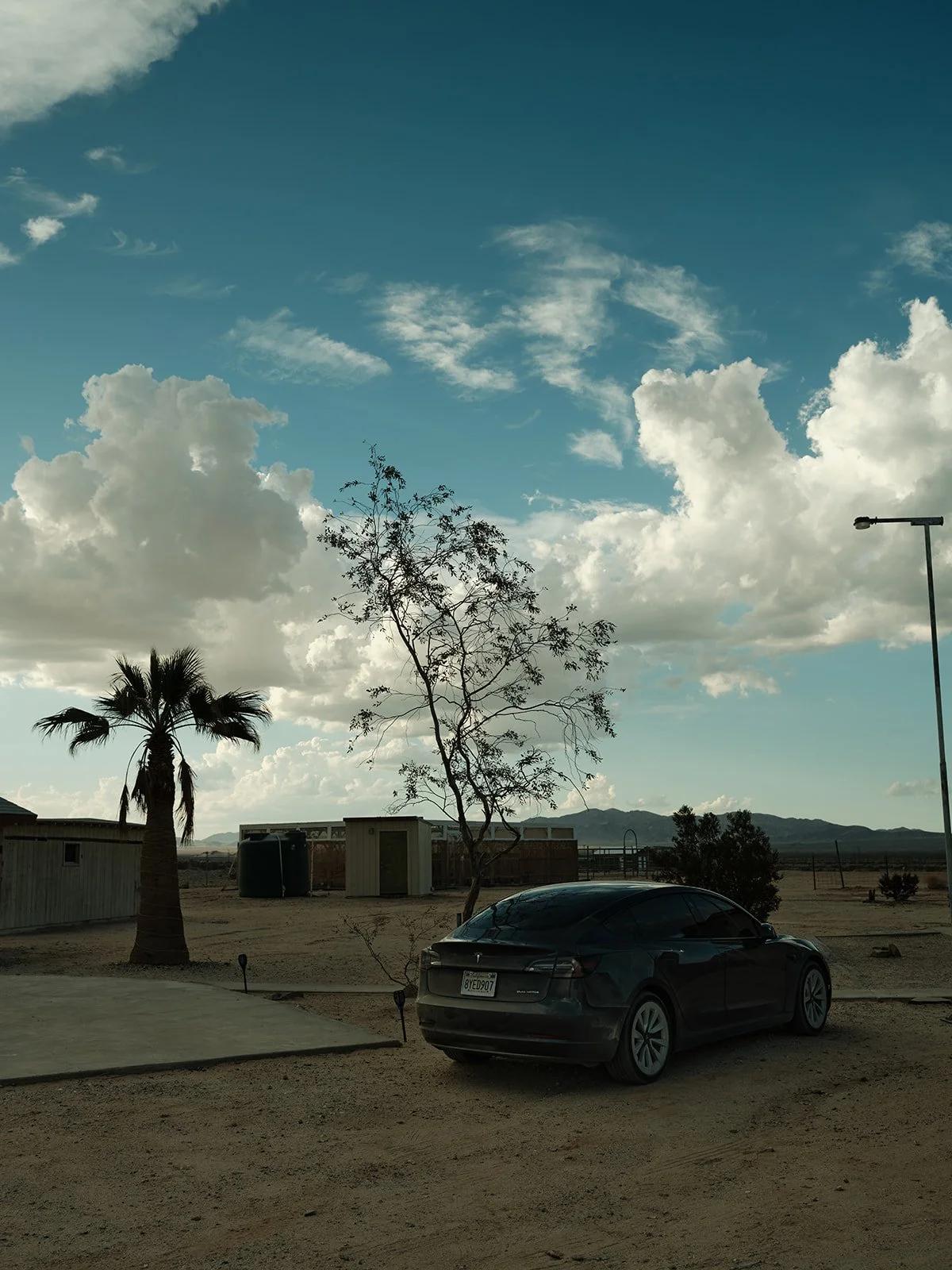
Out there, silence becomes part of the experience. The absence of noise allows you to hear things you normally miss, including your own thoughts. As daylight fades and darkness settles across the landscape, the stars emerge in numbers that feel almost impossible to comprehend. In a strange way, the darkness reveals more light than the city ever could. The night sky becomes a reminder of how vast the world truly is and how small our daily worries can seem beneath it.
Looking back through these photographs reminded me of something simple but important. The camera matters. The lenses matter. The editing software matters. As photographers, we spend countless hours discussing equipment, image quality, dynamic range, and technical perfection. Yet none of those things mean very much without the experience itself.
The photograph is only valuable because of the moment behind it.
That’s why I believe so strongly in documenting our lives. Go somewhere you’ve never been. Take the trip you’ve been putting off. Photograph the landscape. Photograph the people you love. Capture the places that leave an impression on your soul.
Because one day, years from now, you’ll find yourself opening an old gallery on a quiet afternoon, and you’ll realize those images were never just photographs. They were pieces of your life carefully preserved. They were memories waiting patiently to be revisited.
And for a few brief moments, you’ll find yourself standing there all over again.