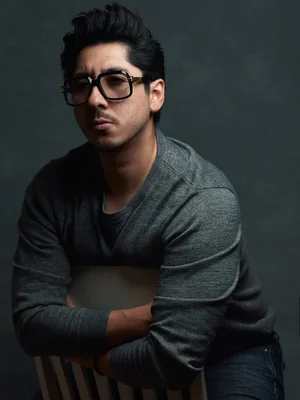
The Heart of the Arts District (DTLA)
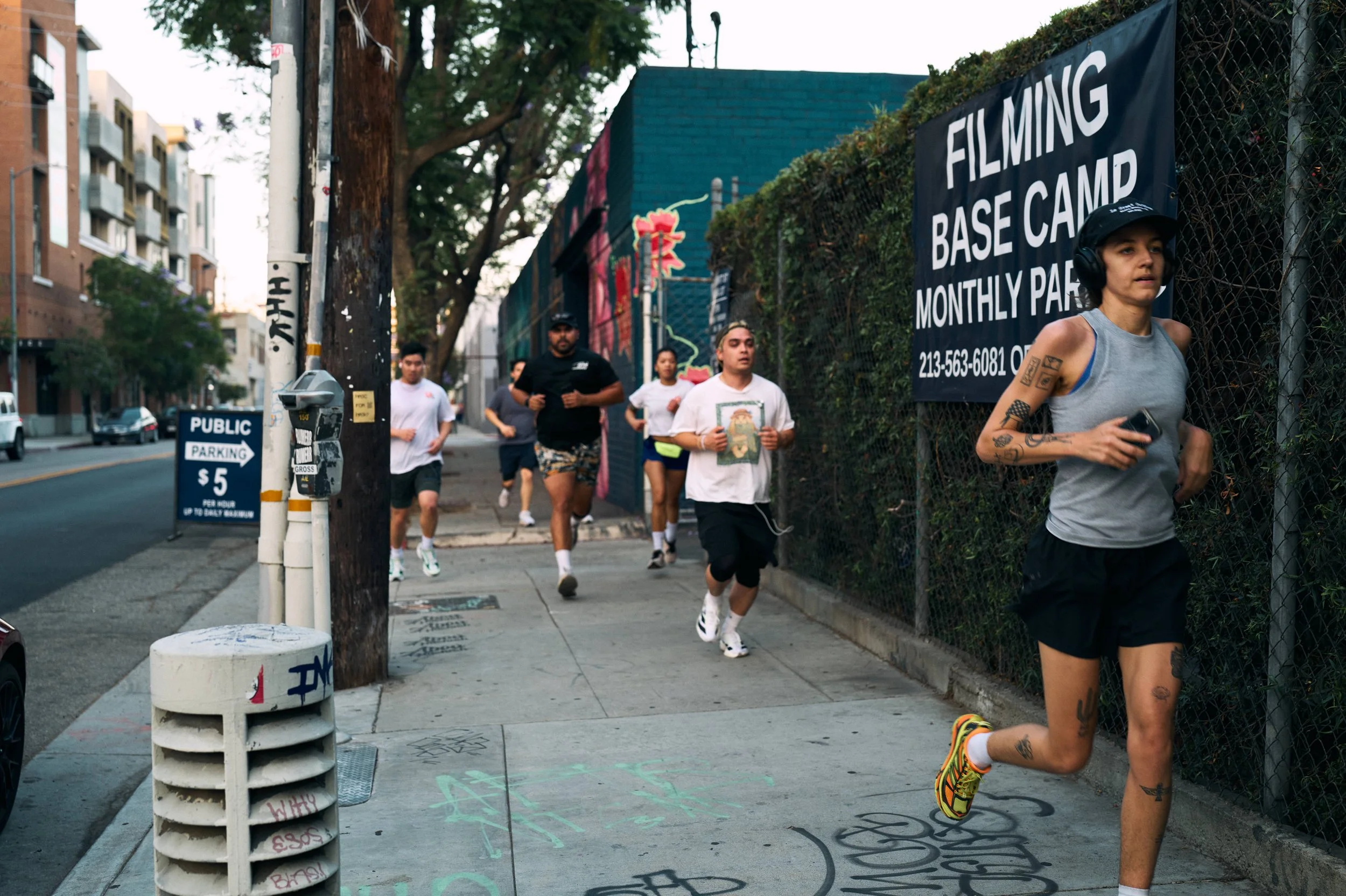
There are certain neighborhoods in Los Angeles that feel as though they exist in two different time periods at once. The Arts District is one of them.
I spent an afternoon walking its streets with my Leica Q3 and the 43mm lens that has quietly become my favorite companion for everyday photography. I didn’t arrive with a shot list, a client, or even much of a plan. More often than not, my favorite photographs happen when I stop trying so hard to create them. The same is true for stories. Sometimes all you need is a camera, a few hours to wander, and the willingness to pay attention.
The Arts District rewards that kind of attention.
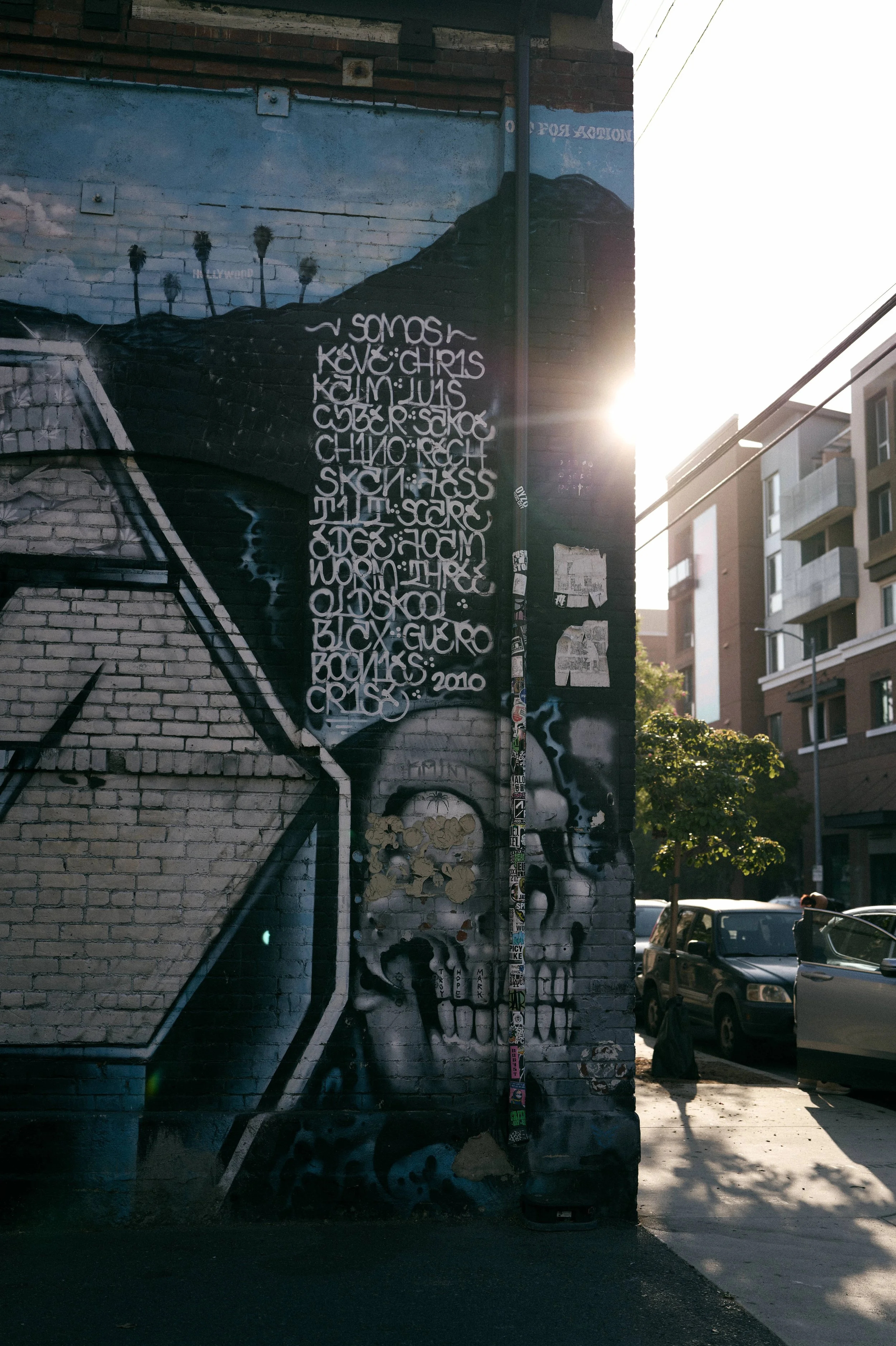
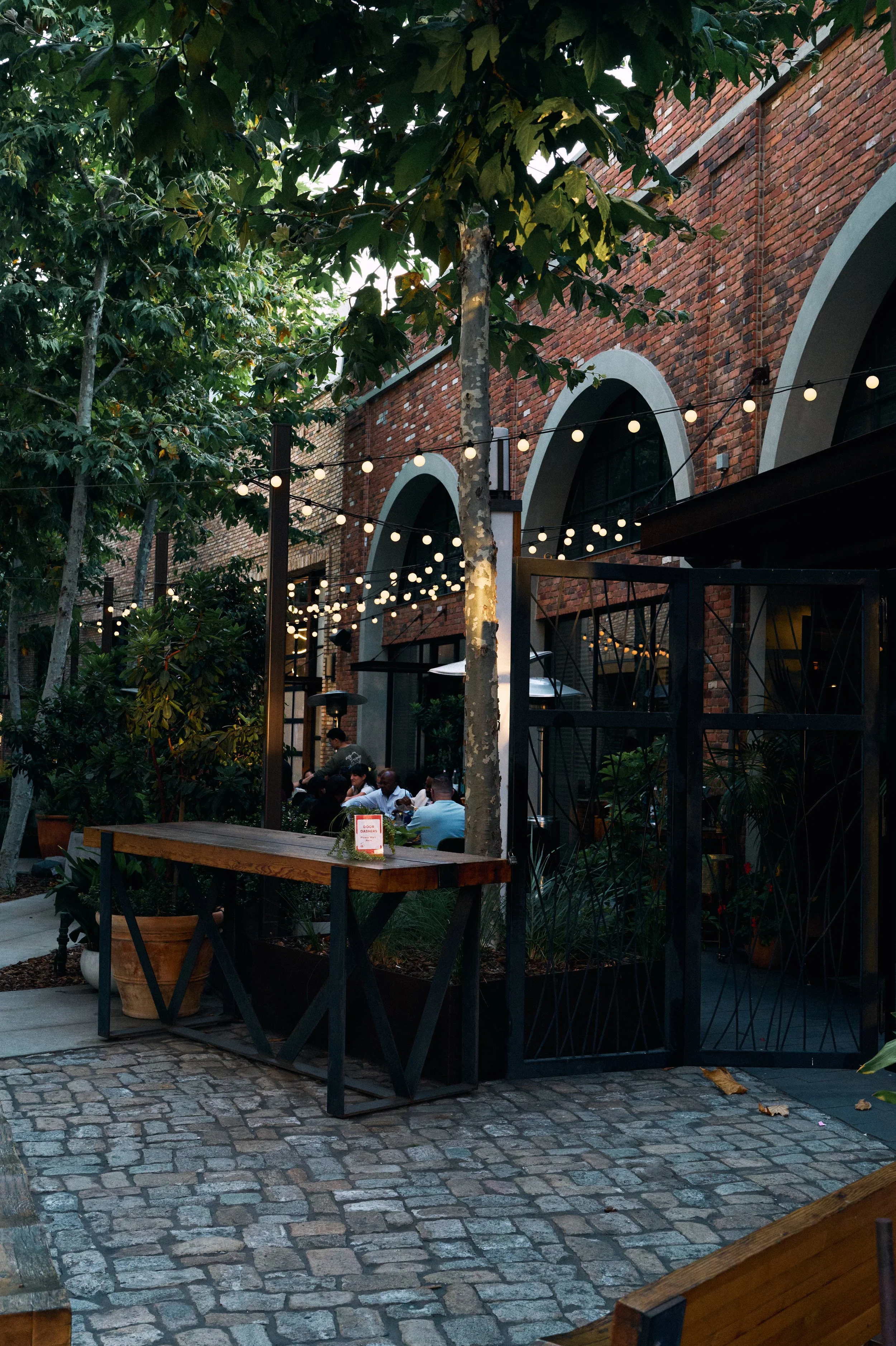
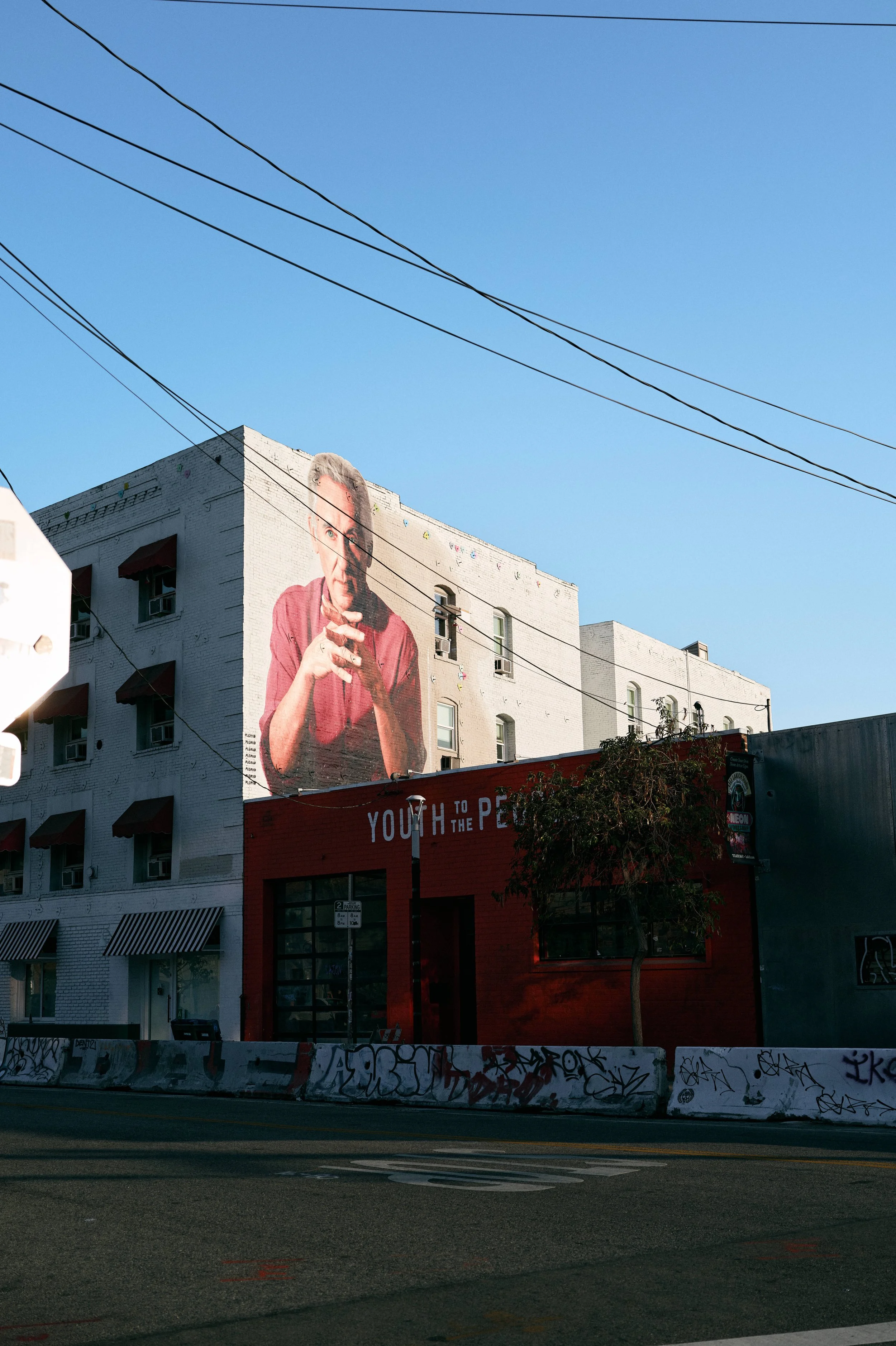
At first glance, it’s easy to understand why the neighborhood has become one of the most photographed areas in Los Angeles. The architecture alone is worth the visit. Massive brick warehouses that once housed manufacturing and industrial businesses have been transformed into restaurants, coffee shops, galleries, breweries, creative offices, and luxury apartments. The buildings retain much of their original character, which gives the neighborhood a sense of authenticity that can be difficult to find in newer developments. Nothing feels overly polished. The cracks, imperfections, and weathered textures are part of the appeal.
Walking through these streets feels like stepping into a version of Los Angeles that still remembers where it came from.
At the same time, it feels like a neighborhood desperately trying to figure out where it’s going.
That’s what fascinated me most during my visit.
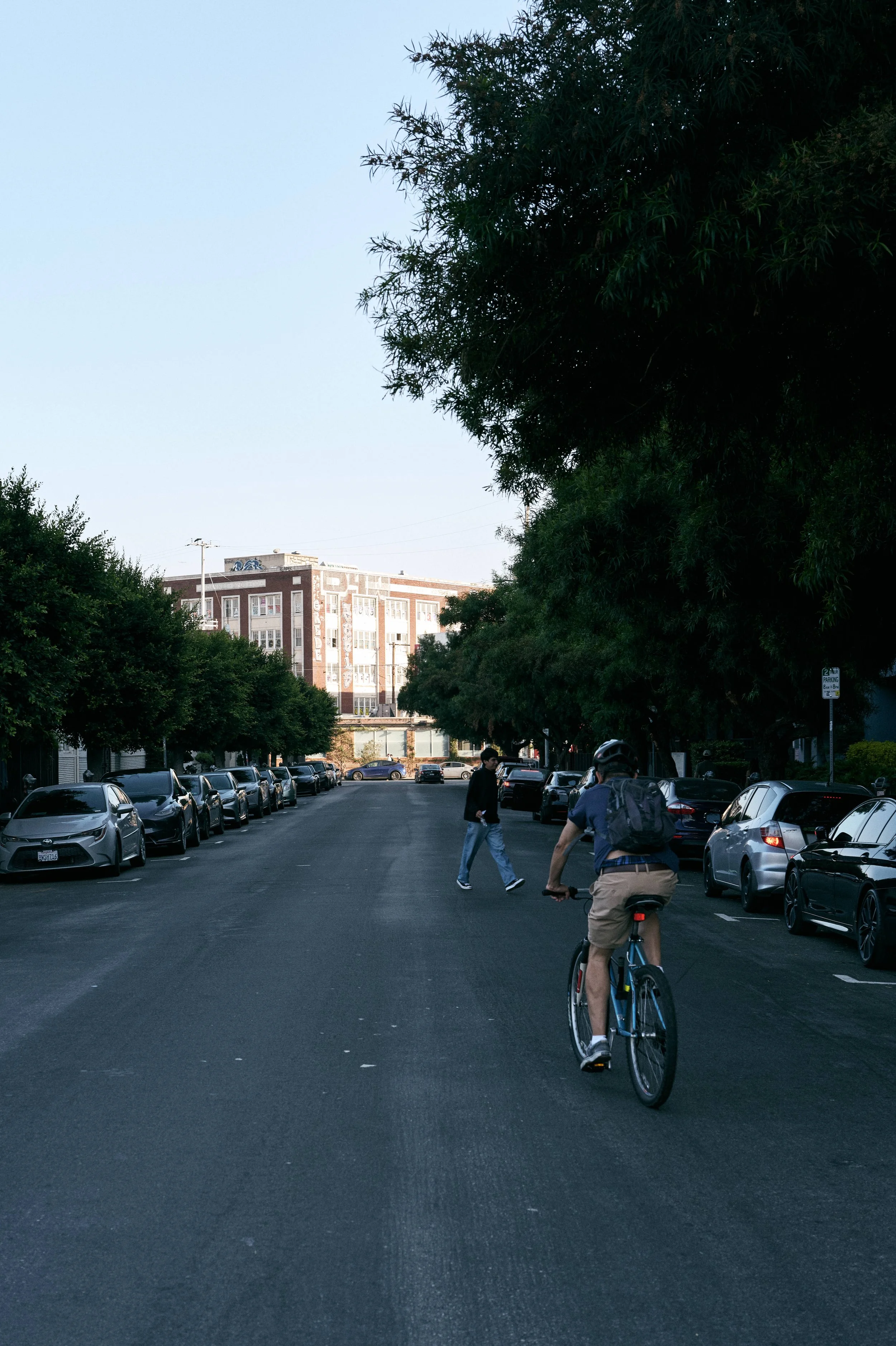
The Arts District is often presented as a success story. It’s a symbol of urban renewal, creativity, entrepreneurship, and investment. It represents what happens when forgotten parts of a city are rediscovered and given a second life. Yet the longer I walked, the harder it became to view the neighborhood through such a simple lens.
Only a few blocks separate some of the most desirable real estate in Los Angeles from sidewalks lined with people battling addiction, homelessness, and severe mental illness. The contrast isn’t subtle. In fact, it may be one of the defining characteristics of the entire area.
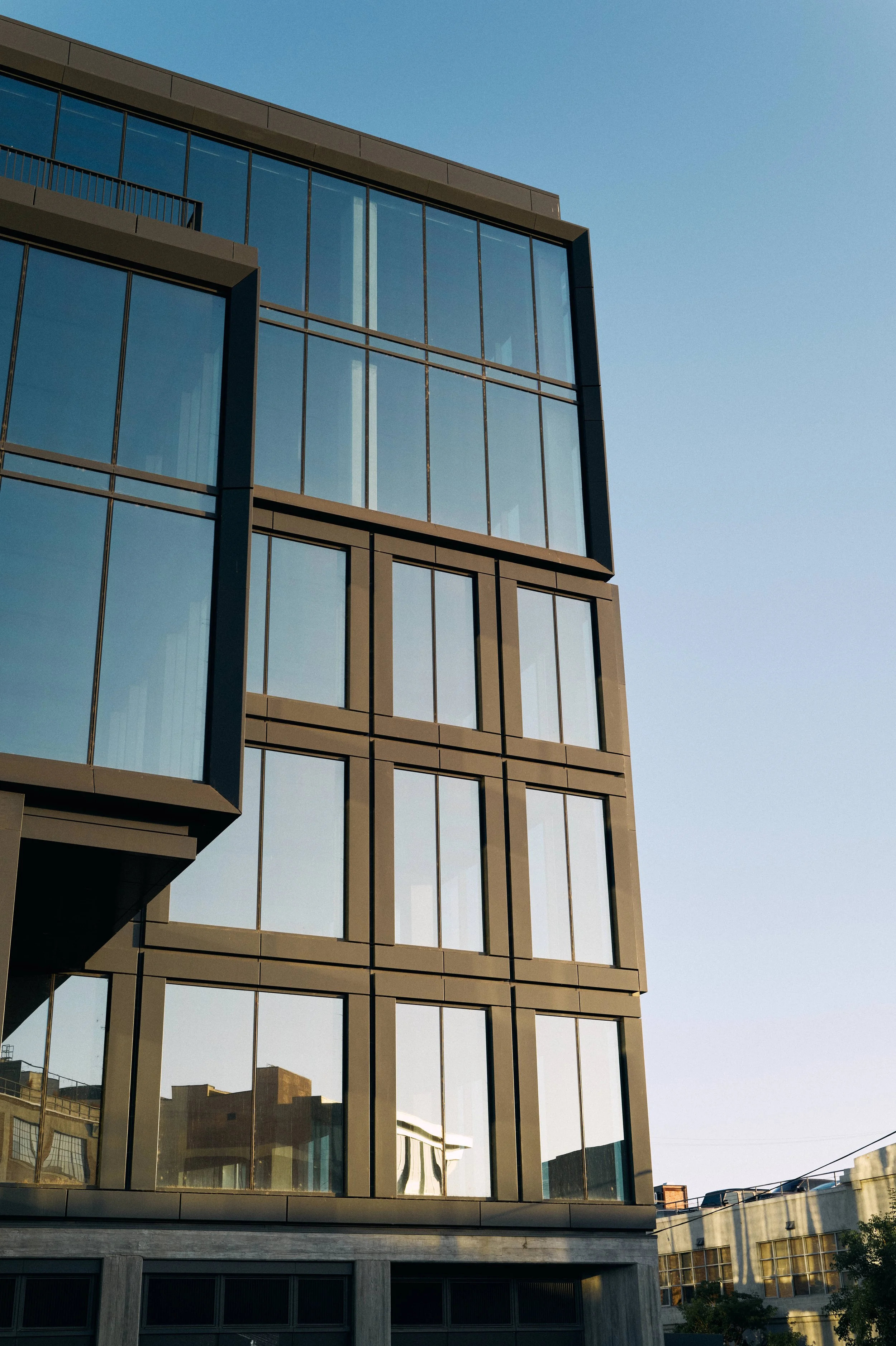
One moment you’re standing outside a beautifully designed café where people are discussing startups, design projects, and creative ventures over handcrafted coffee. A few minutes later you’re walking past someone who appears to be losing a battle with circumstances most of us can barely comprehend.
Neither reality cancels out the other.
They exist side by side.
And that’s where the Arts District becomes far more interesting than the photographs you’ll typically see on Instagram.
Social media has a remarkable ability to crop reality.
A camera frame naturally excludes as much as it includes, but social media takes that concept even further. We tend to photograph the parts of a place that support the story we want to tell. The beautiful mural. The trendy restaurant. The perfectly plated meal. The stylish storefront. What often gets left outside the frame are the contradictions that make places feel human.
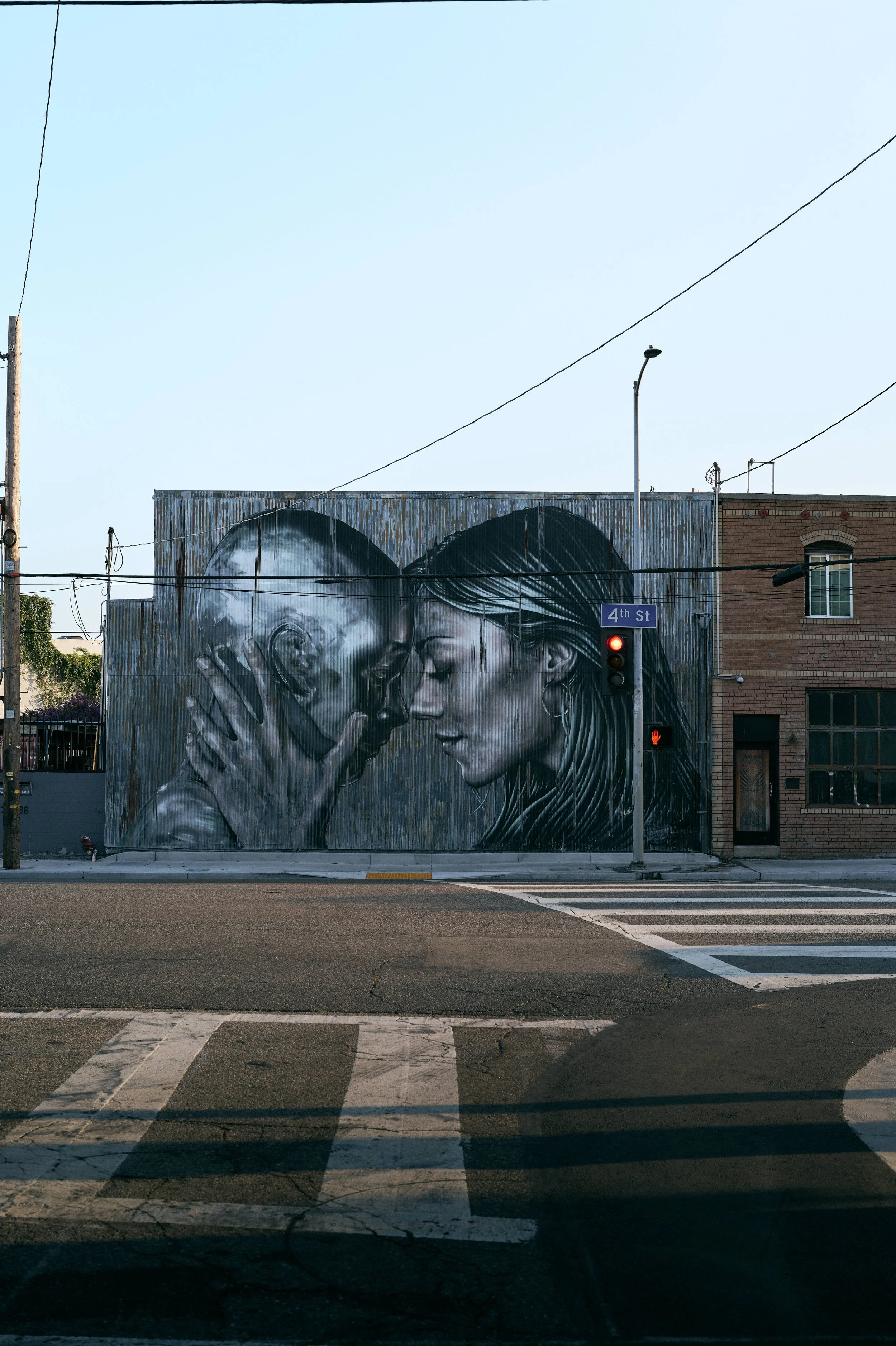
The Arts District is built on contradictions.
It’s creative and commercial.
Historic and modern.
Prosperous and struggling.
Beautiful and broken.
The neighborhood feels less like a finished destination and more like an ongoing negotiation between competing visions of Los Angeles.
As I continued walking, I found myself paying less attention to the murals and more attention to the people moving through the environment. For all the attention the artwork receives, the artwork isn’t actually what gives the neighborhood life. The people do.
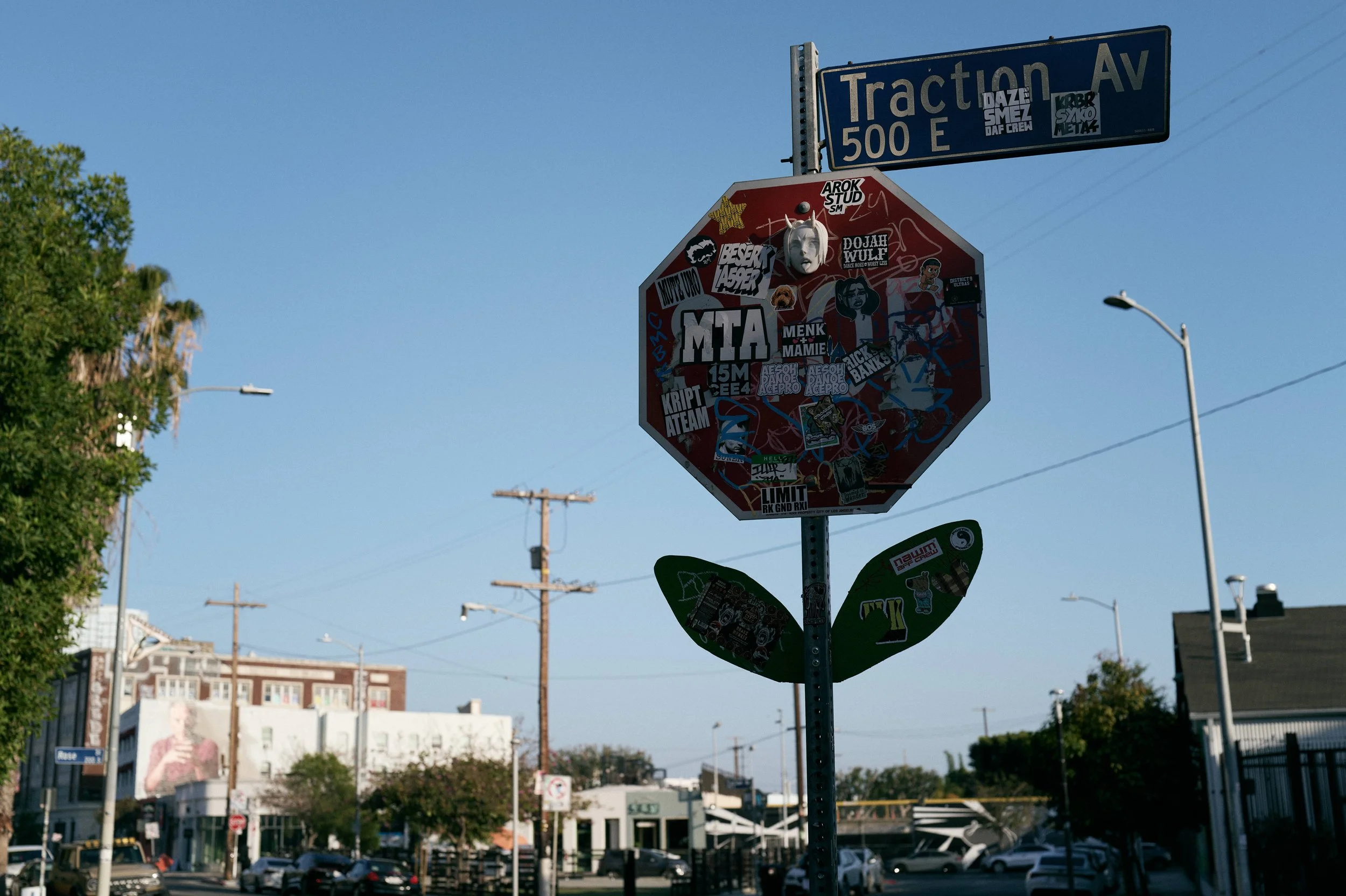
The artist painting a wall.
The restaurant owner hoping customers keep coming back.
The photographer carrying a camera through the streets.
The residents who now call these converted warehouses home.
The workers unloading deliveries.
The cyclists weaving through traffic.
Even the people sleeping on the sidewalks.
Every one of them is contributing to the story of the neighborhood whether they realize it or not.
Perhaps that’s why I’ve become so attached to the 43mm focal length on the Leica Q3. It sees the world in a way that feels remarkably close to how I experience it. It doesn’t exaggerate scenes the way wider lenses often can, and it doesn’t isolate subjects from their environment in the way longer lenses sometimes do. It allows context to remain part of the conversation.
And context matters.
Especially here.
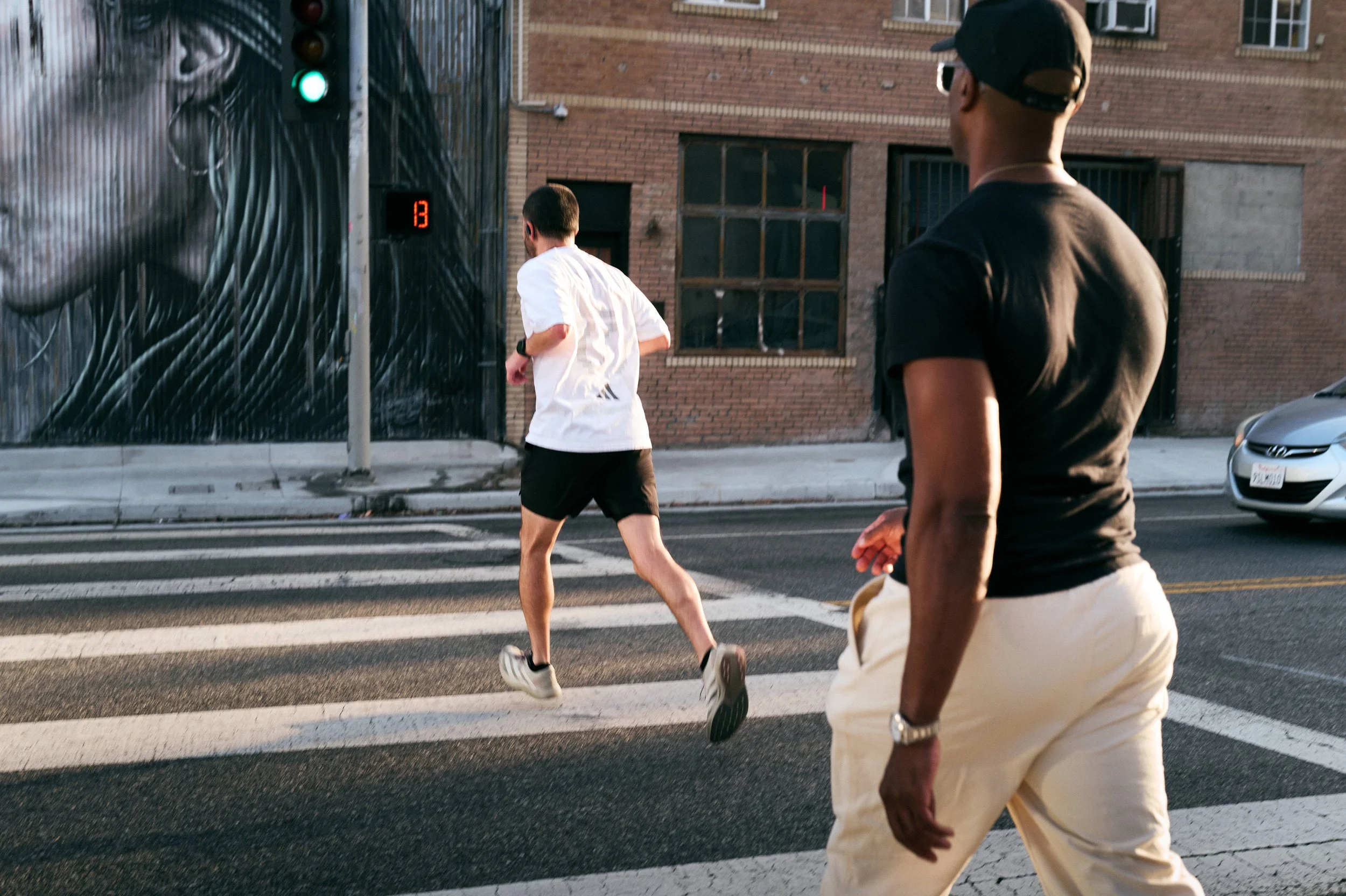
One photograph from the afternoon continues to stay with me. A man sat alone on a sidewalk beneath a colorful mural depicting a lively scene full of animals gathered around a table. The artwork felt joyful. Almost playful. Yet directly beneath it sat someone whose reality appeared far removed from the optimism painted above him.
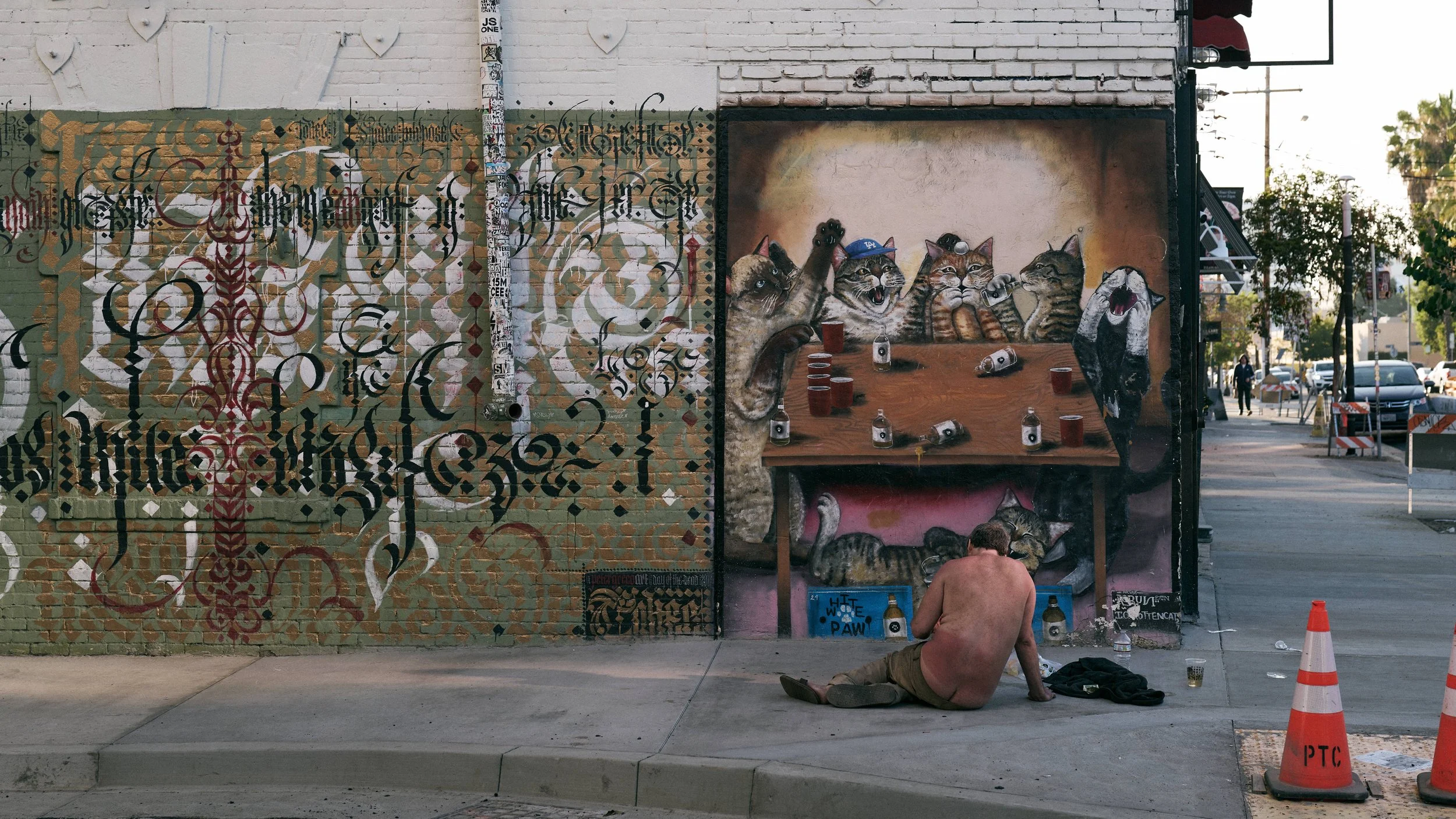
The image wasn’t powerful because it provided answers.
It was powerful because it raised questions.
Questions that seem impossible to avoid when discussing Los Angeles today.
How did we arrive here?
Why do so many people continue to struggle in one of the wealthiest cities in the world?
At what point does compassion become enabling?
At what point does accountability become neglect?
What responsibility do cities have to protect people from themselves, and what responsibility do individuals have for their own lives?
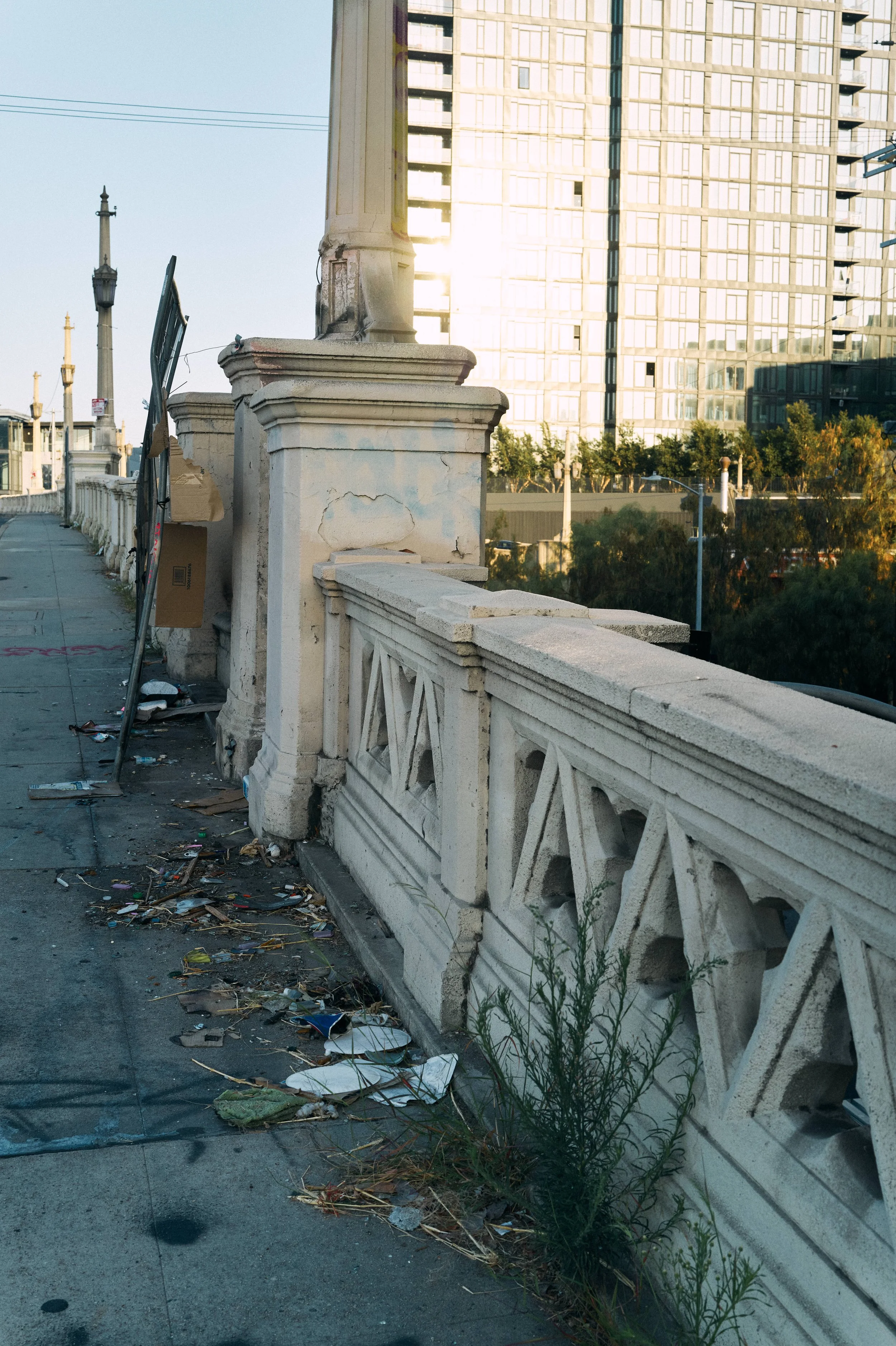
These aren’t political talking points. They’re human questions.
Unfortunately, modern politics often treats complex problems as though they can be solved with simple slogans.
Every election cycle promises solutions.
Every campaign promises change.
Every new administration arrives with confidence that it possesses answers previous administrations somehow missed.
Yet the issues surrounding homelessness, addiction, mental illness, housing costs, public safety, and economic inequality continue to grow more interconnected and more difficult to untangle.
The older I get, the less interested I become in people who claim certainty about complicated problems.
Life rarely operates that way.
Cities certainly don’t.
Los Angeles is one of the most fascinating cities in America precisely because it contains so many competing realities existing within the same geography. Wealth and poverty. Ambition and despair. Innovation and dysfunction. Beauty and decay. The Arts District simply places those realities closer together than most neighborhoods, making them harder to ignore.
Maybe that’s why the area felt quieter than I remembered.
Not because people were gone.
Not because businesses were failing.
The energy simply felt different.
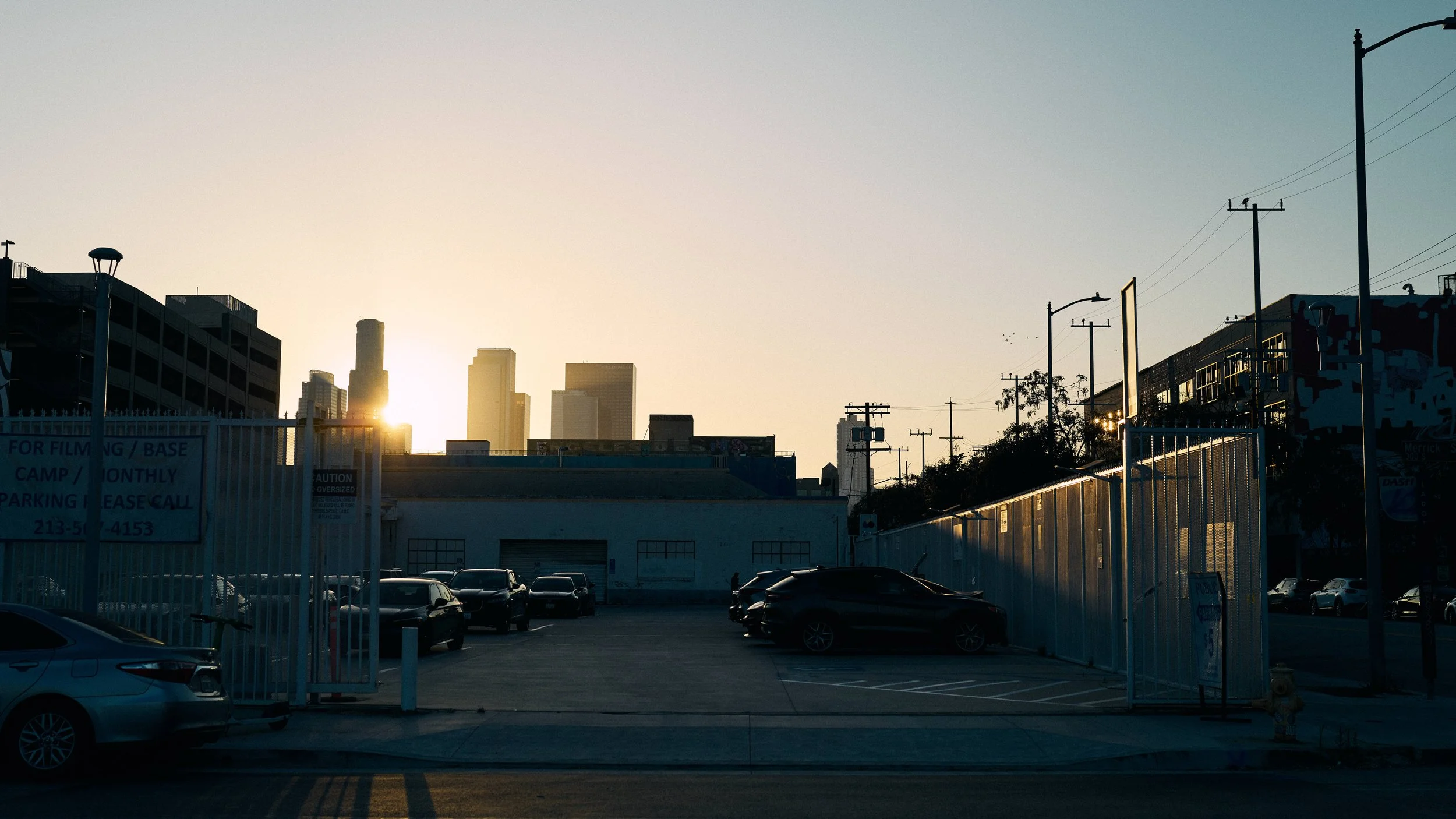
I can remember a time when large sections of Downtown Los Angeles felt like an extension of Hollywood itself. Film productions seemed to occupy every available street. Commercial shoots happened constantly. Production trucks lined the roads. Creative professionals moved through the city with a sense of momentum and possibility.
There was an electricity to Los Angeles that felt impossible to replicate anywhere else.
Some of that energy remains.
But some of it has moved online.
Some of it has moved out of state.
Some of it has become increasingly difficult to sustain under the economic realities facing artists, filmmakers, photographers, and entrepreneurs today.
The dream hasn’t disappeared.
It’s simply evolved.
Whether that evolution is progress or decline likely depends on who you ask.
As the afternoon turned into evening, the neighborhood began changing once again. The harsh sunlight softened against the brick buildings. Restaurant patios slowly filled with conversation. Lights began appearing in windows. The streets that had felt almost sleepy a few hours earlier started finding their rhythm.
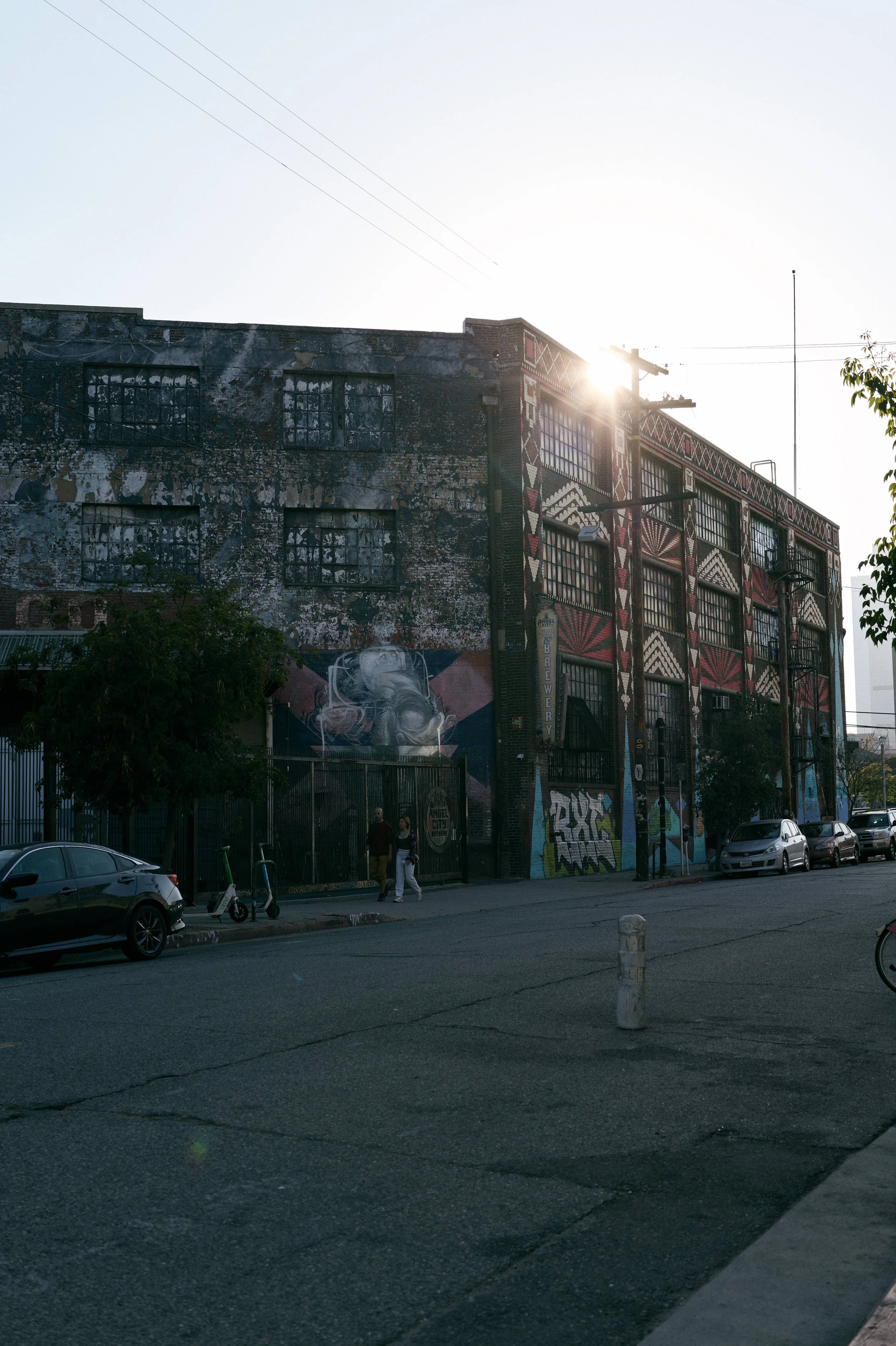
For a brief moment, the entire district seemed to relax.
And standing there with a camera in my hand, I realized something.
The Arts District isn’t important because of its murals.
It isn’t important because of its breweries, restaurants, coffee shops, or luxury lofts.
Those things are simply the backdrop.
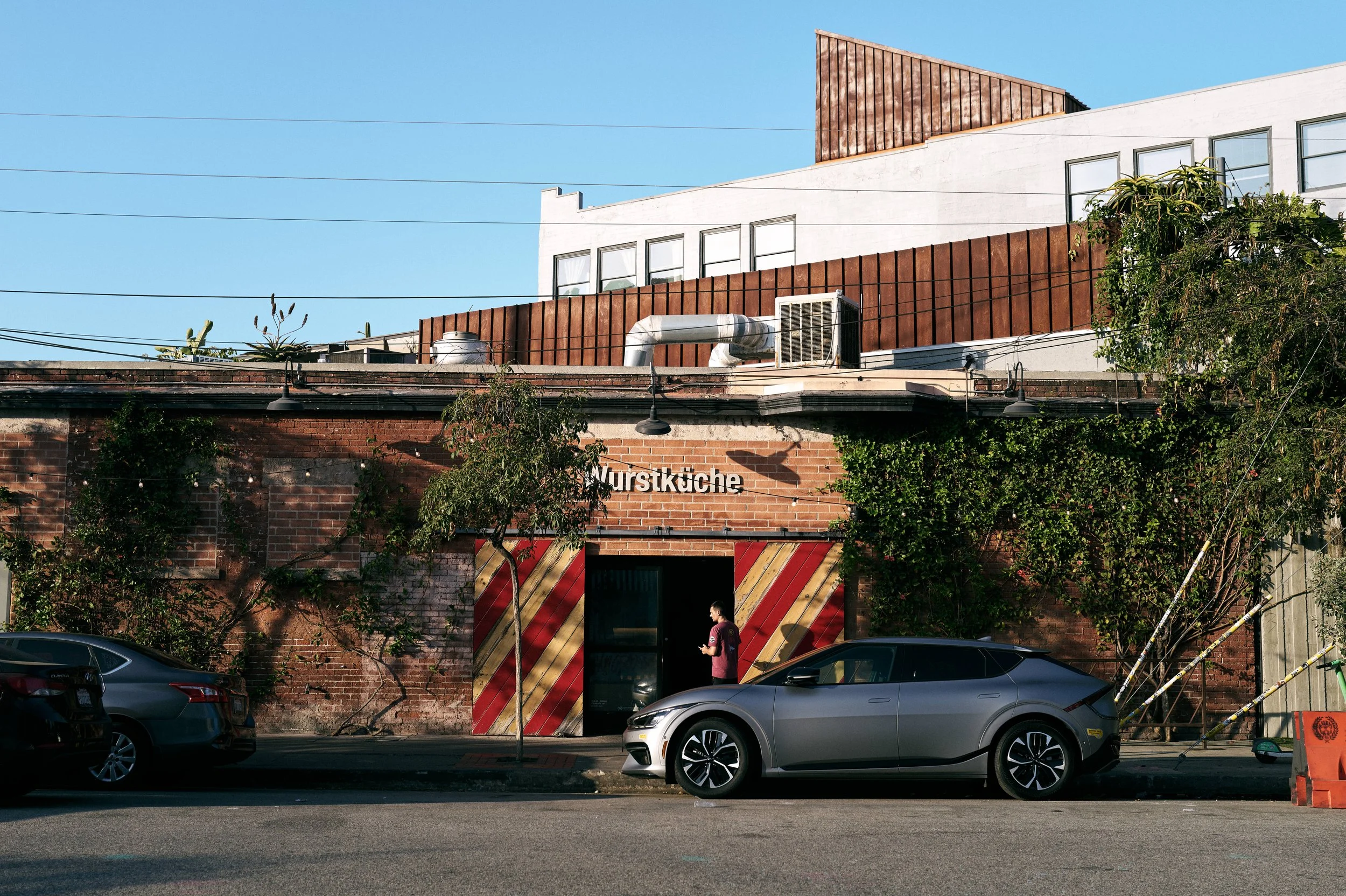
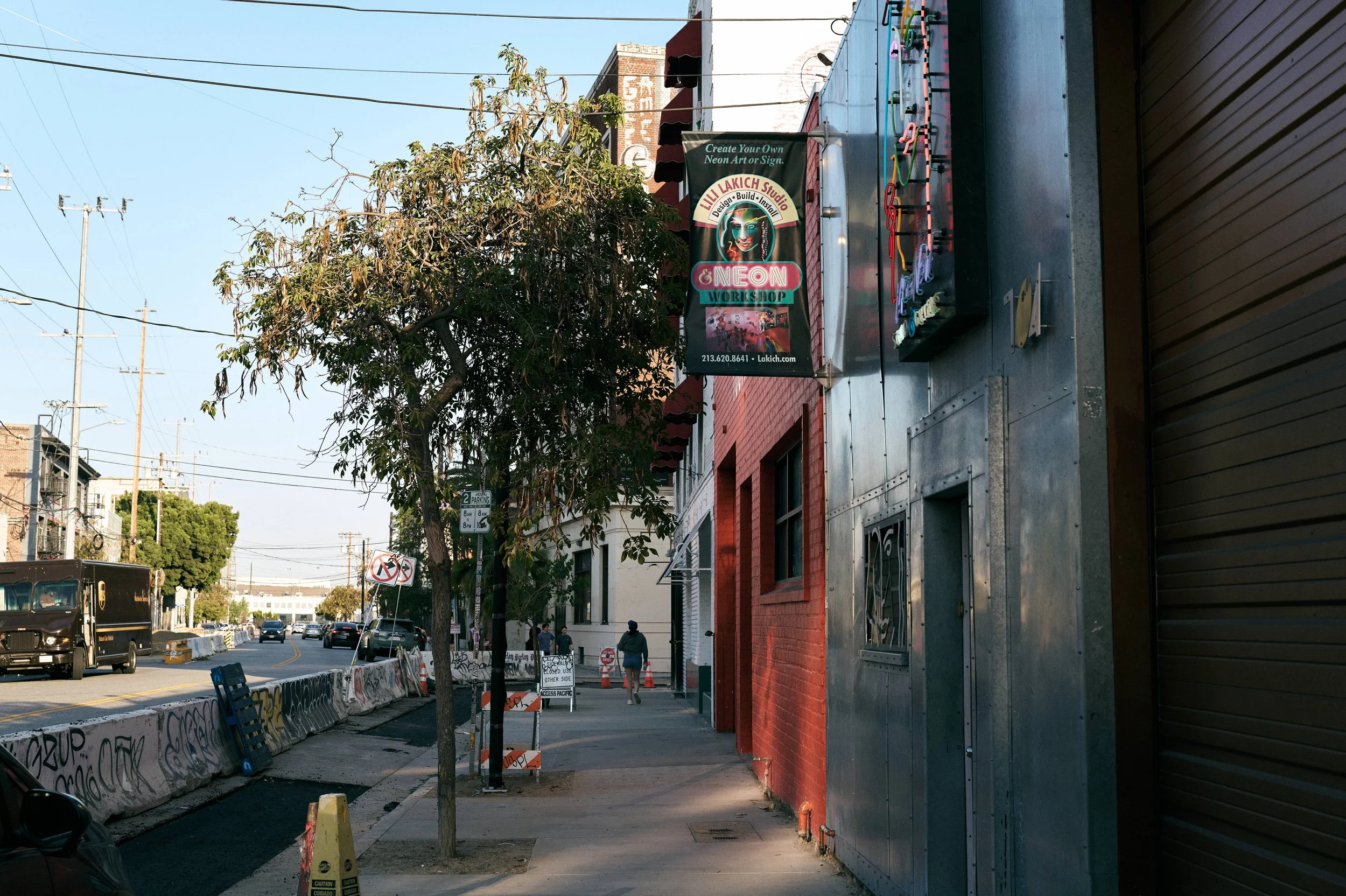
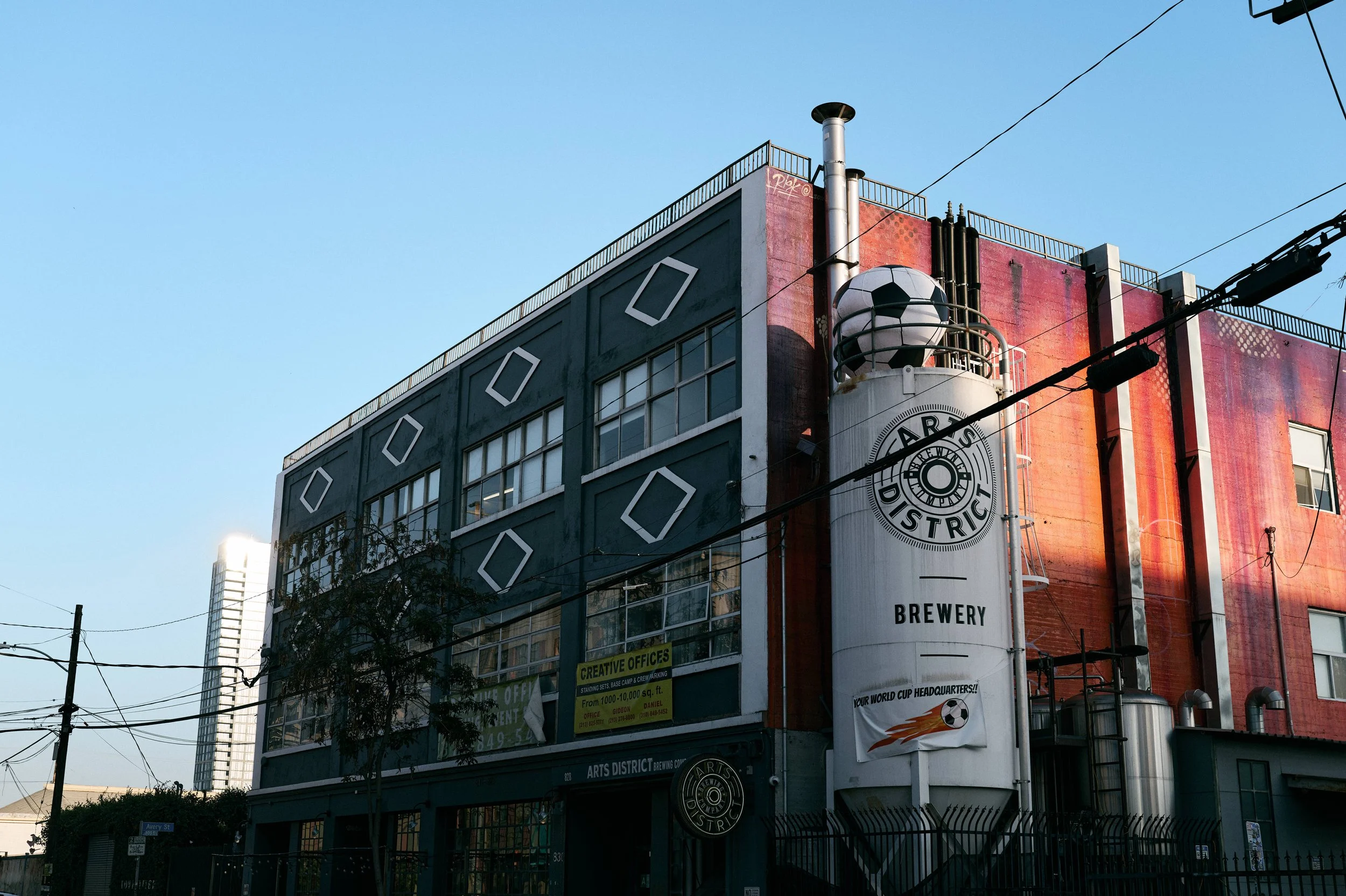
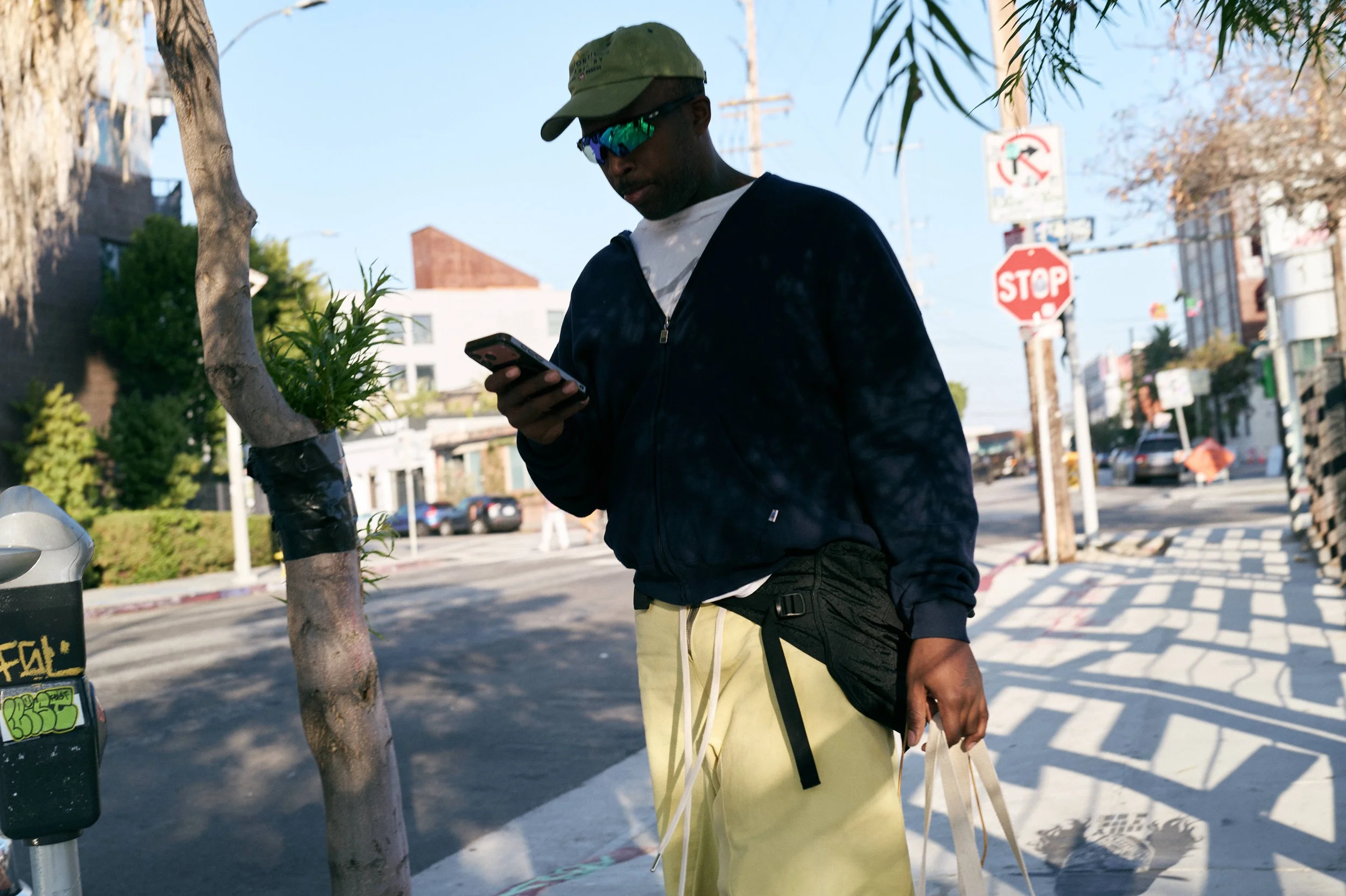
What makes this neighborhood matter is that it remains one of the few places in Los Angeles where the city’s contradictions are still visible. It hasn’t fully sanitized itself. It hasn’t completely hidden its problems behind marketing campaigns and branding strategies. It allows you to see both the aspiration and the struggle occupying the same frame.
In many ways, the Arts District feels like a portrait of Los Angeles itself.
Complicated.
Creative.
Frustrating.
Inspiring.
Beautiful.
Heartbreaking.
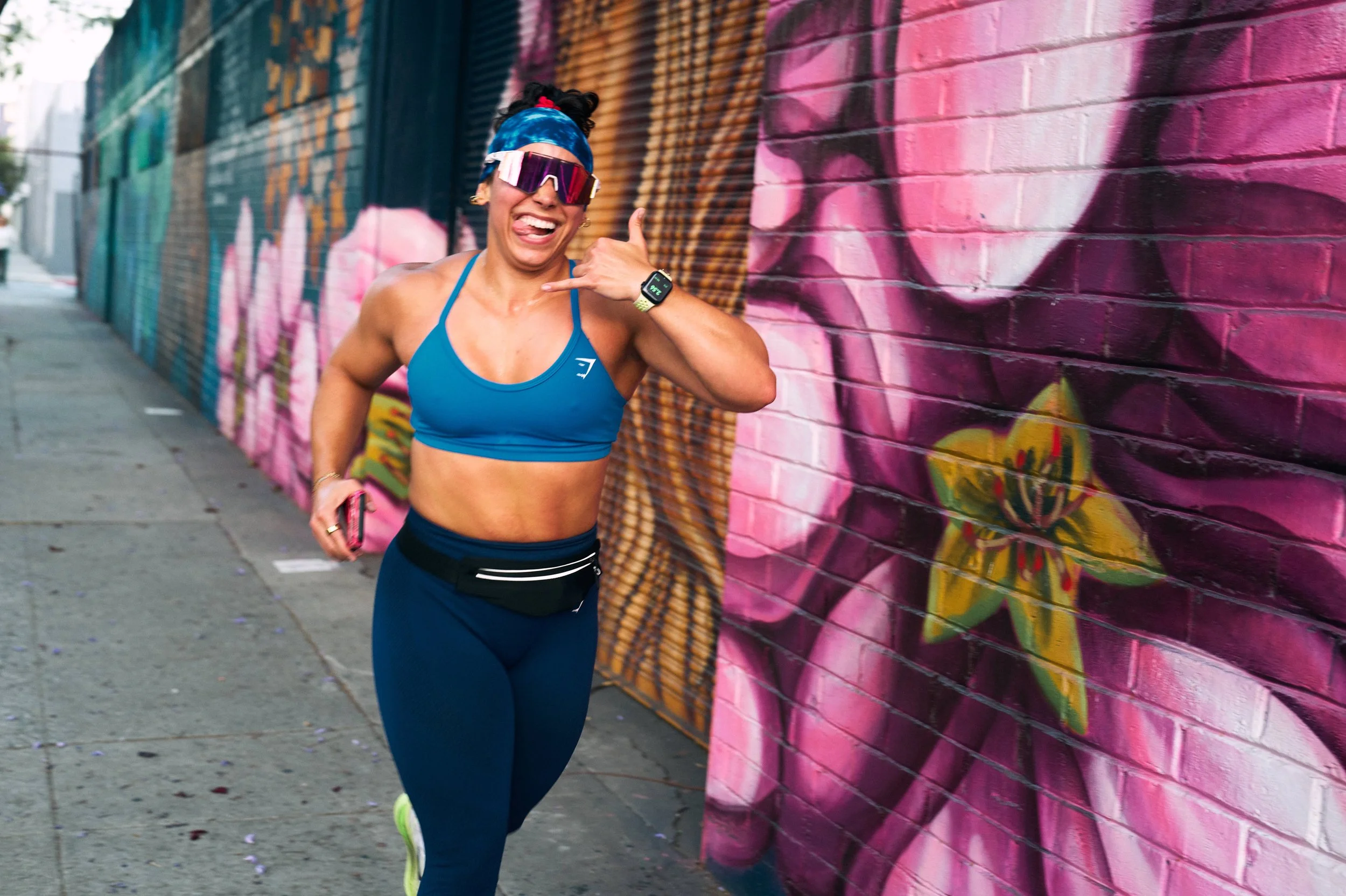
A city constantly caught between what it was, what it is, and what it hopes to become.
As I packed away my Leica and headed back toward my car, I realized that the photographs I made that afternoon weren’t really about architecture or street art at all.
They were about people.
They always are.
Because no matter how impressive the buildings become or how beautiful the murals are, the true heart of any city has never been found in its structures.
It’s found in the lives unfolding between them.