The Row: A Fortress of Light, Shadow, and Possibility
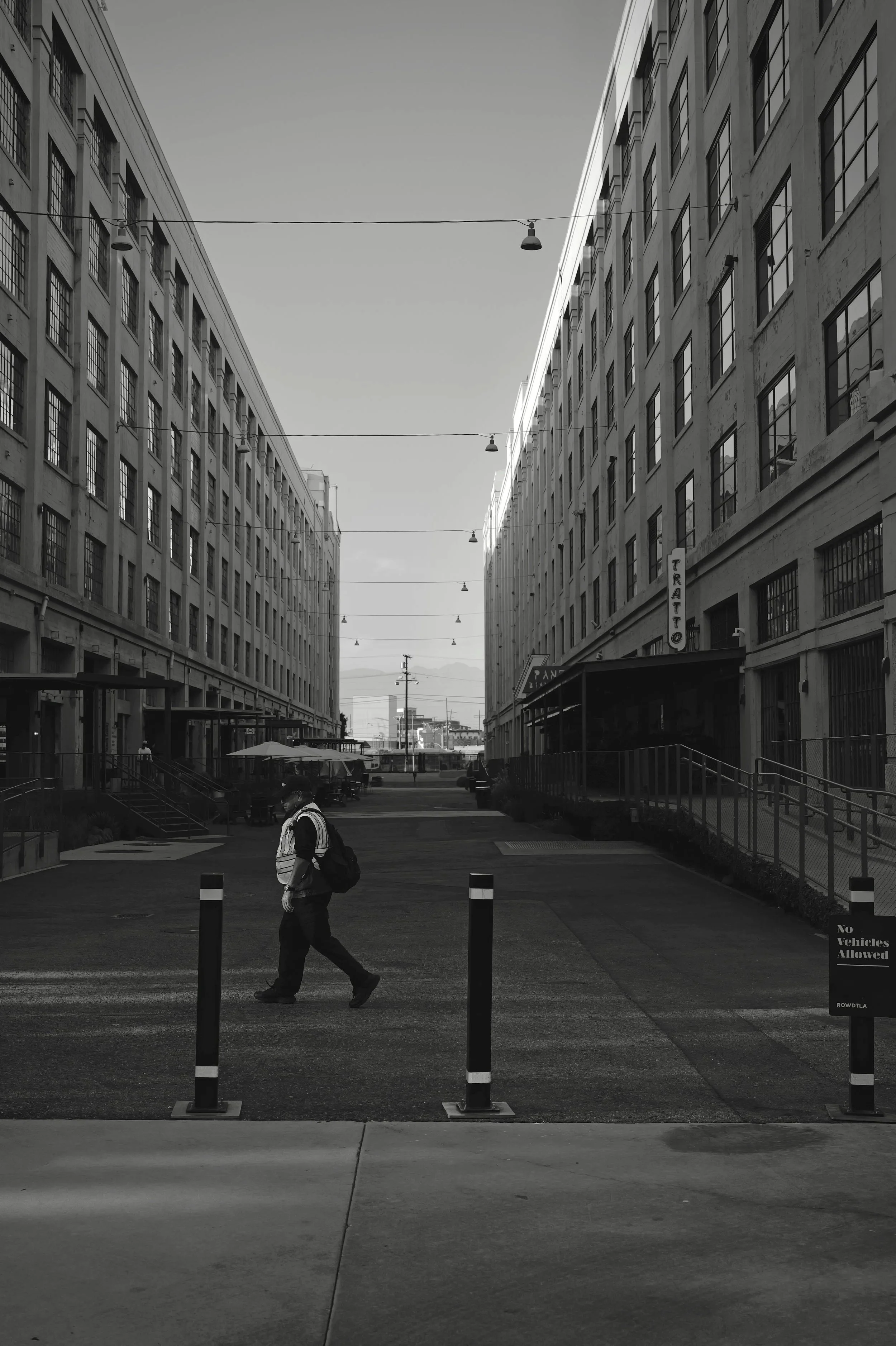
The History Hidden in the Walls
Before The Row became known for its restaurants, coffee shops, creative offices, fashion brands, and weekend markets, it served a far more practical purpose.
These massive brick and concrete buildings were originally constructed as industrial warehouses during the early decades of the twentieth century, when Los Angeles was rapidly growing into a center of manufacturing and commerce. Long before photographers wandered these corridors or visitors gathered over coffee, goods moved through these buildings every day. Workers filled the halls, trucks came and went, and the property functioned as part of the economic engine of a growing city.
What fascinated me most was that none of the architecture was designed to impress anyone.
The buildings were designed to work.
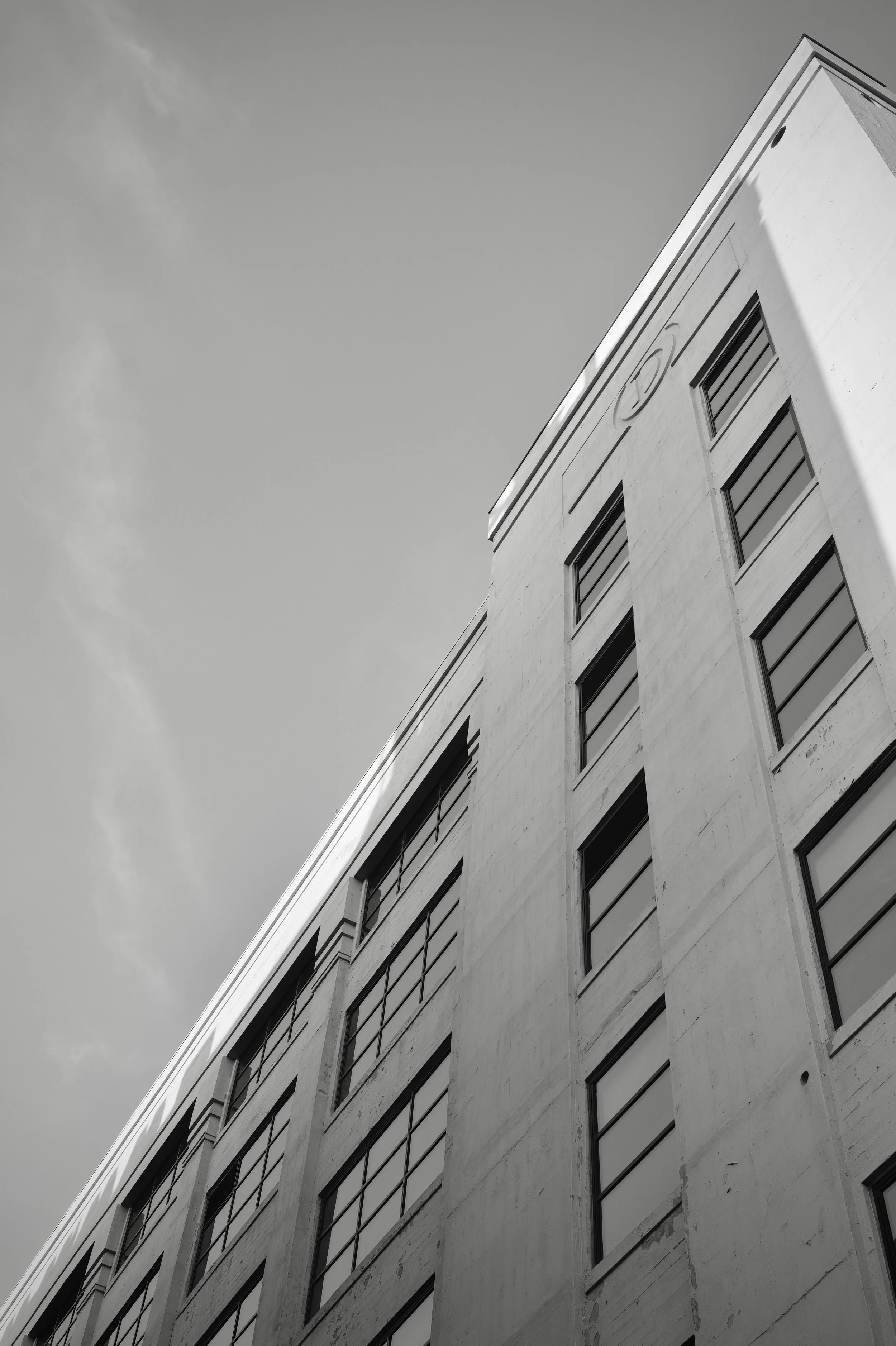
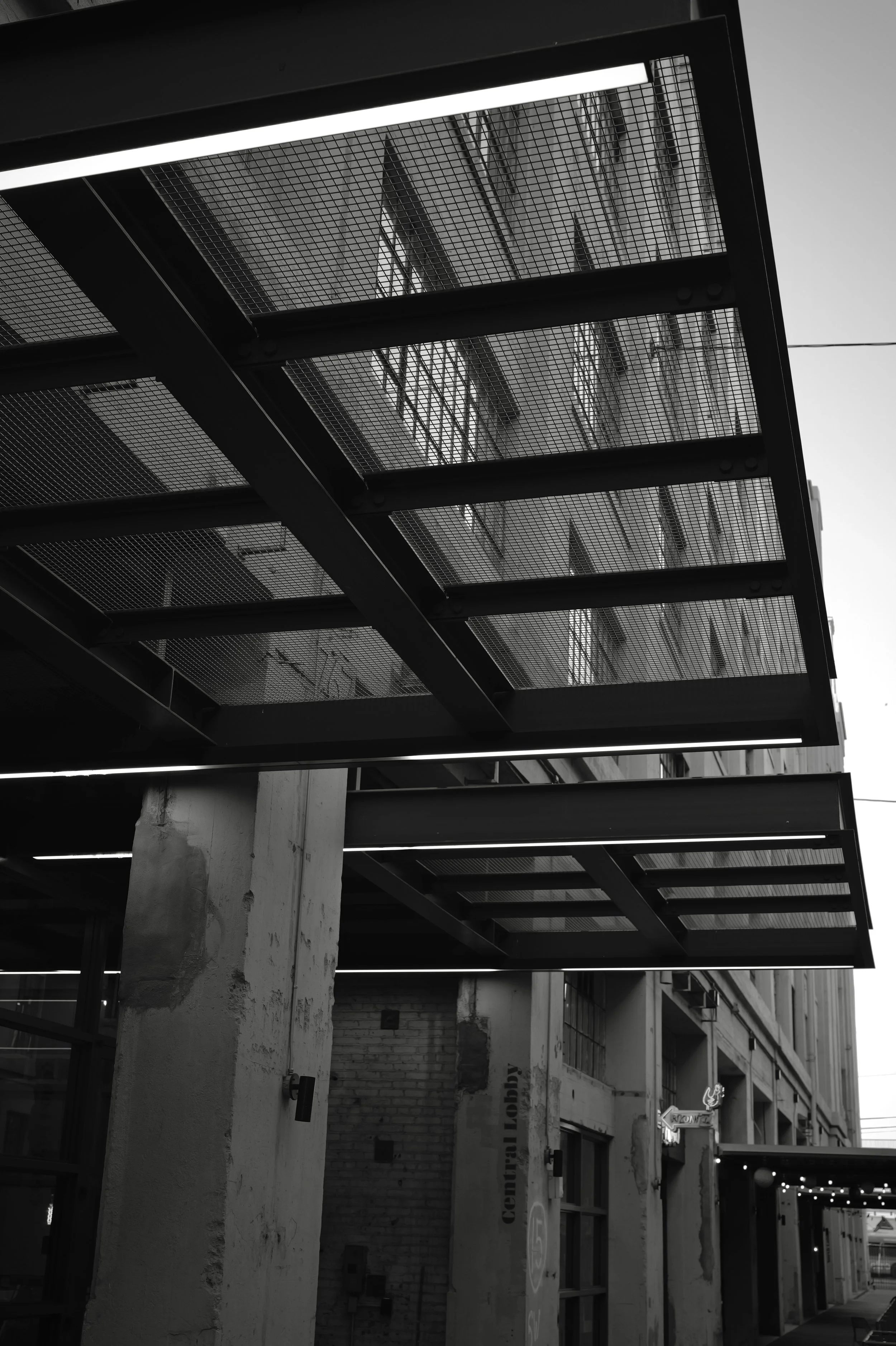
Large windows brought natural light deep into the interior spaces. Thick concrete columns supported heavy loads. Long corridors allowed people and products to move efficiently through the property. Every major design decision was rooted in function rather than aesthetics.
And perhaps that’s exactly why the place feels so authentic today.
These buildings weren’t created to follow trends because they were never built around trends in the first place. They were built to solve problems. Yet after more than a century, many of those practical decisions have become the very qualities that make the architecture so compelling.
The oversized windows create beautiful patterns of light. The concrete columns add rhythm and scale. The long corridors create depth and perspective. What was once purely functional has gradually become something artistic.
It’s one of architecture’s more interesting ironies.
The structures built to last often become the most beautiful.
Not because anyone planned it that way, but because time has a way of revealing the value of things created with purpose, honesty, and permanence.
A Fortress in the Middle of the City
Yesterday evening, I found myself wandering through The Row in Downtown Los Angeles for the first time.
As a photographer, certain places immediately capture your attention. Not necessarily because of what is happening there, but because of what feels possible. Before you’ve even raised a camera to your eye, you can already sense the potential for photographs waiting to be made.
The Row was one of those places.
I arrived around 6:30 in the evening as the sun was beginning to drop behind the skyline. The remaining light stretched across the brick, concrete, and steel, creating long shadows and revealing textures that might otherwise go unnoticed. It was one of those brief moments photographers are always chasing, when the character of a place seems to become more visible with every passing minute.
Almost immediately, I found myself slowing down.
Not because there was a lot happening, but because the architecture demanded attention.
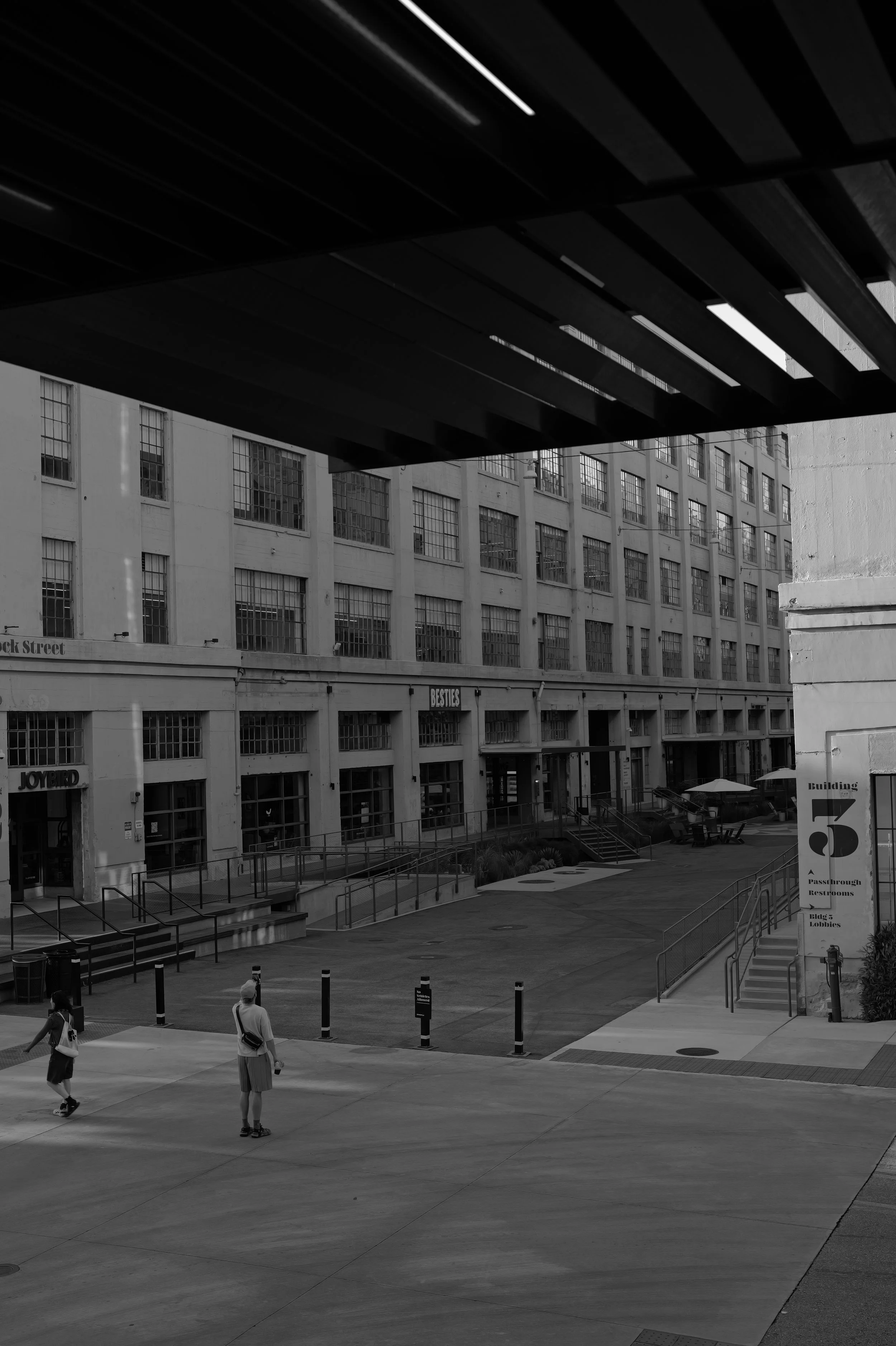
The moment I stepped into the center of the complex, it felt as though I had entered a different version of Los Angeles. The noise and pace of downtown still existed beyond the property, yet The Row seemed to operate on its own rhythm. The industrial buildings, oversized windows, and long corridors created an atmosphere that felt both historic and contemporary at the same time.
What struck me most was how naturally the old and the new coexisted. The buildings clearly belonged to another era, yet they never felt trapped in the past. Instead, they seemed to have found a new purpose while retaining the character that made them unique in the first place.
As I wandered deeper into the property, I realized I wasn’t simply looking at a collection of renovated warehouses. I was looking at a place that had been reinvented without losing its identity.
For a photographer, that’s hard to ignore.
When history, texture, light, and atmosphere come together in the same place, making photographs feels less like a decision and more like a natural response.
That was my first impression of The Row.
Why Monochrome Belongs Here
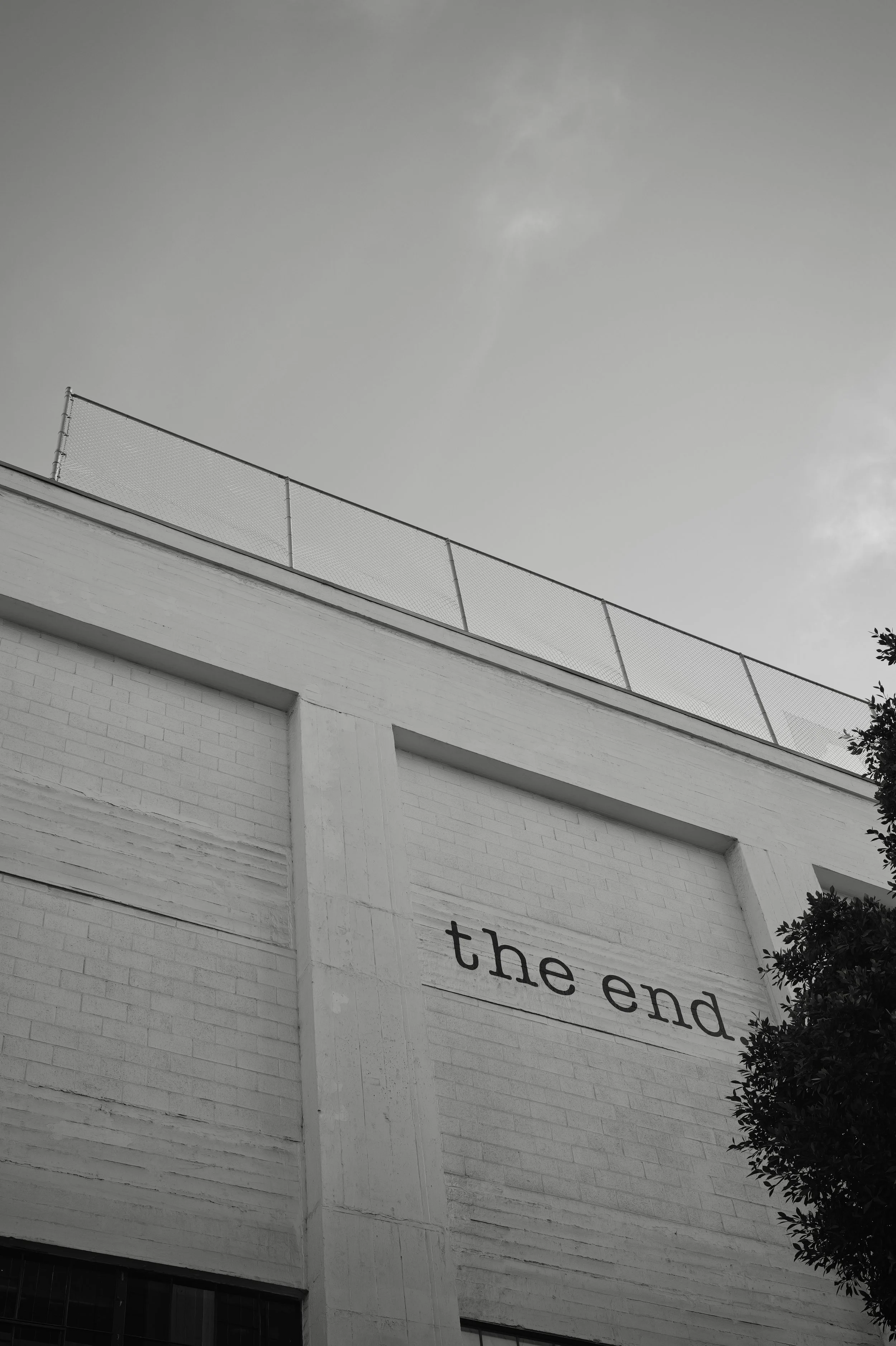
One of the unexpected pleasures of visiting The Row was discovering how naturally it lends itself to photography in gray.
I’ve started referring to these images as photographs made in gray rather than black and white. The traditional phrase tends to emphasize the extremes, yet what has always interested me most are the tones that exist between them. The subtle transitions. The moments where light gradually falls into shadow. The areas where texture, atmosphere, and form become more important than color itself.
That afternoon I was carrying my Leica Q3 43, and as I wandered through the property, I found myself drawn less to color and more to light. The architecture seemed perfectly suited for it. The oversized industrial windows, concrete surfaces, steel framework, and long corridors created layers of contrast that revealed themselves differently once color was removed.
As the evening progressed, I became less interested in documenting the buildings themselves and more interested in the relationships happening within the frame. Reflections across glass. Shadows stretching through walkways. A solitary figure moving through a landscape of repeating lines and geometry.
Reviewing the photographs later that night, I noticed that many of my favorite images shared the same quality. Their strength didn’t come from color. It came from tone. The Leica’s gray profiles only reinforced that feeling, producing files rich with subtle transitions and depth.
Perhaps that’s why The Row felt so compelling to photograph. Its character doesn’t live in vibrant colors or decorative details. It lives in structure, texture, and light. It lives in the quiet conversation between industrial materials and an evening sky.
And in a place like The Row, there was no shortage of either.
The Strange Quietness
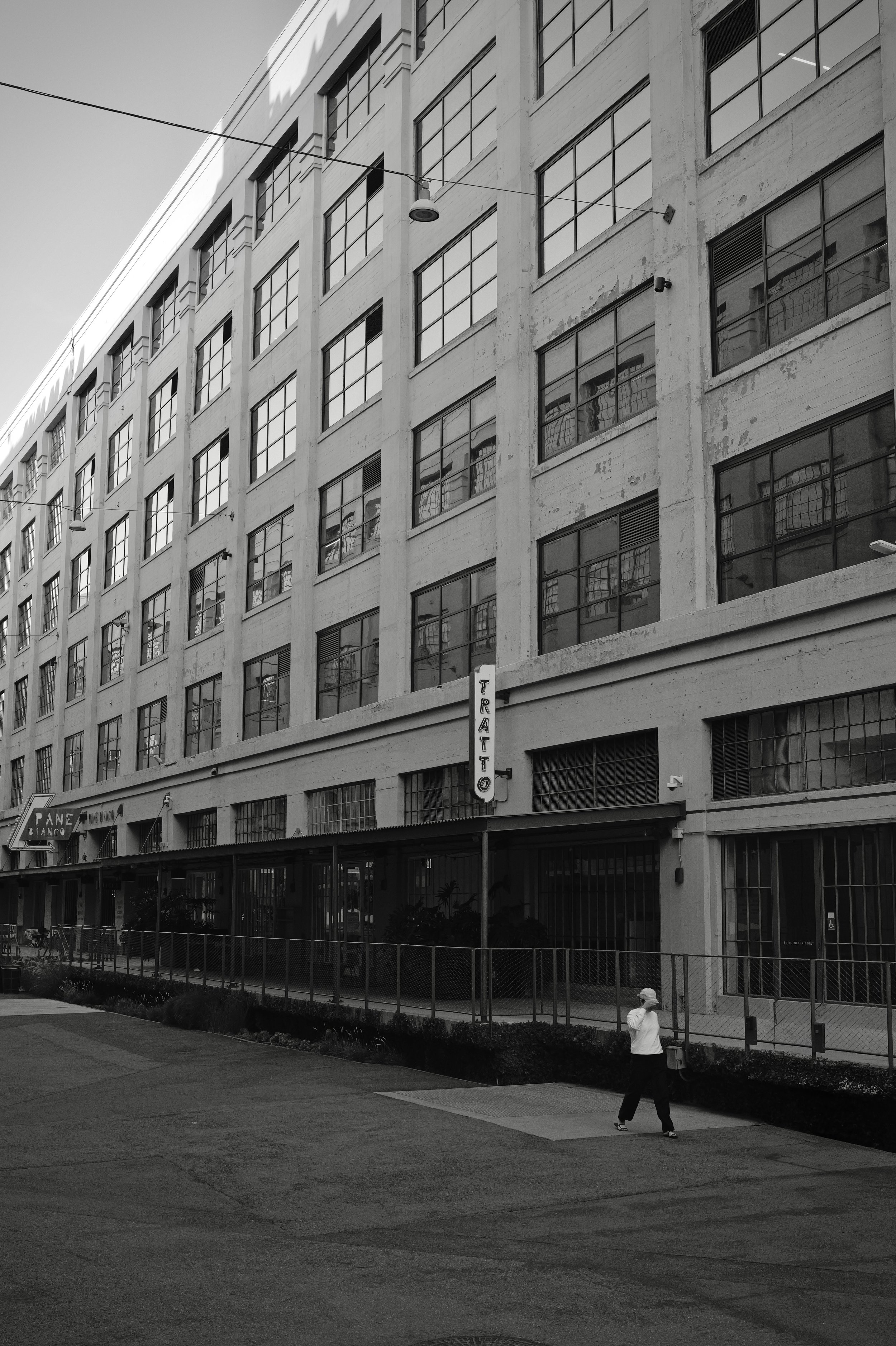
For all of the beauty, craftsmanship, and thoughtful design that The Row offers, there was one thing that caught me off guard.
The quietness.
Not the kind of quietness that feels uncomfortable or concerning. The property felt safe, well-maintained, and cared for. What surprised me was simply how few people seemed to be there.
As I wandered through the corridors, explored the courtyards, and moved between buildings, there were moments when I felt as though I had the entire place to myself. Considering the scale of the architecture and the reputation The Row has developed over the years, I expected a little more activity. A few more conversations spilling out of cafés. More people moving through the walkways. More evidence of the energy that often accompanies places designed for gathering.
Of course, timing may have played a role.
I arrived around 6:30 in the evening, just as businesses were beginning to wind down and the day was transitioning into night. It’s entirely possible that I happened to arrive during one of the quieter moments in the property’s daily rhythm. Markets, special events, weekend crowds, and lunchtime visitors likely create a very different experience than the one I encountered.
Still, the observation stayed with me.
As beautiful as architecture can be, a space ultimately depends on people to bring it fully to life. Buildings can create atmosphere. They can create opportunity. They can establish a sense of identity and place. But the energy of a neighborhood, a marketplace, or a cultural destination comes from the people who choose to spend their time there.
Walking through The Row reminded me that architectural success and economic success are not always the same thing. A place can be beautifully designed, historically significant, and visually inspiring while still facing the practical realities that every commercial property must navigate.
The Row is, without question, one of the most visually compelling environments I’ve explored in Los Angeles this year. Yet as I walked through those expansive industrial corridors, I couldn’t help wondering about the ongoing challenge of filling spaces this large with enough activity to match the ambition behind them.
Perhaps that’s the reality of many great places.
Creating beauty is difficult.
Sustaining it may be even harder.
And while photography naturally draws me toward the aesthetics of a place, experiences like this remind me that every building is also part of a larger story involving businesses, workers, visitors, and the economic forces that determine whether these spaces continue to thrive for decades to come.
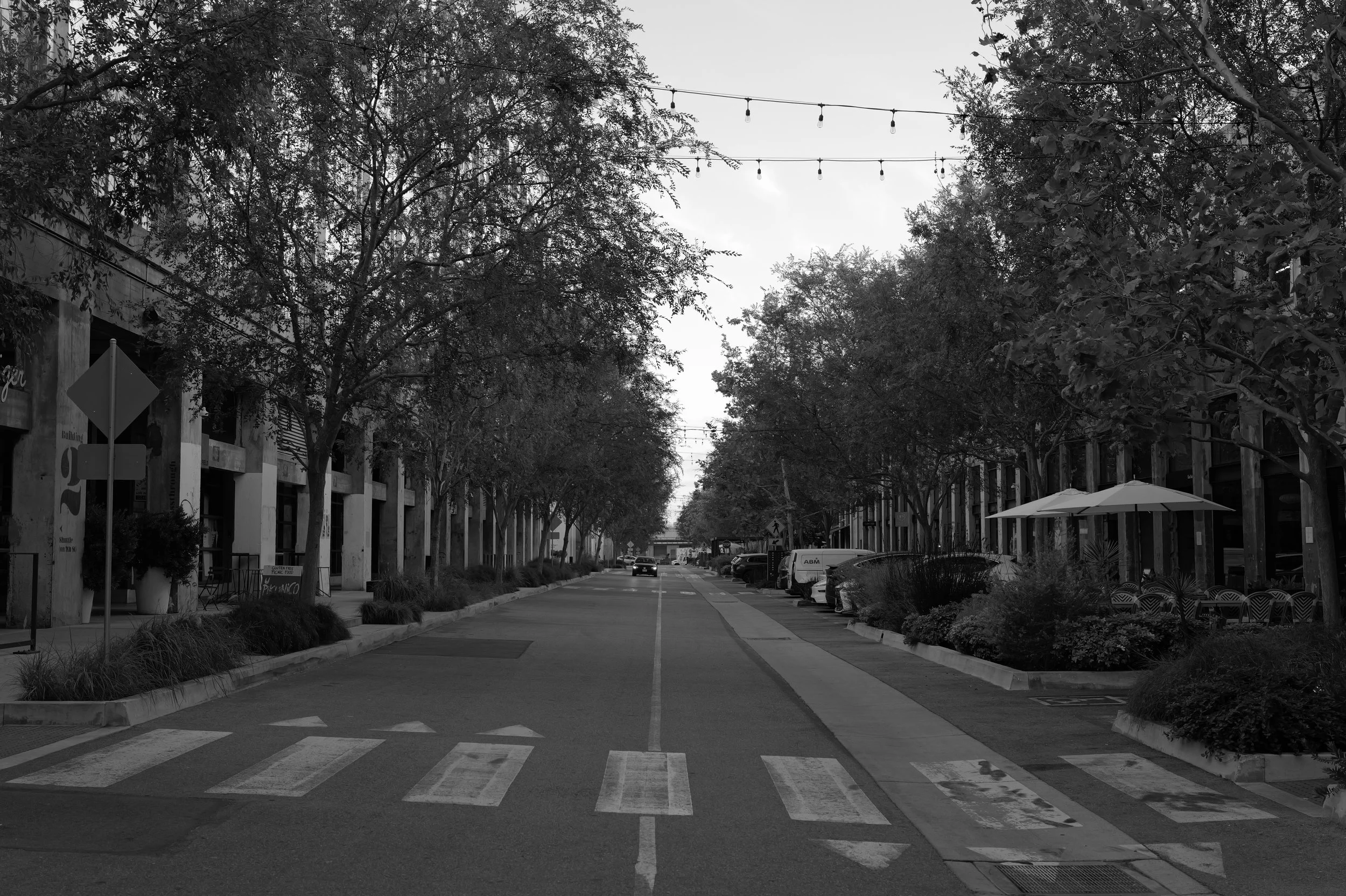
The Challenge of Survival
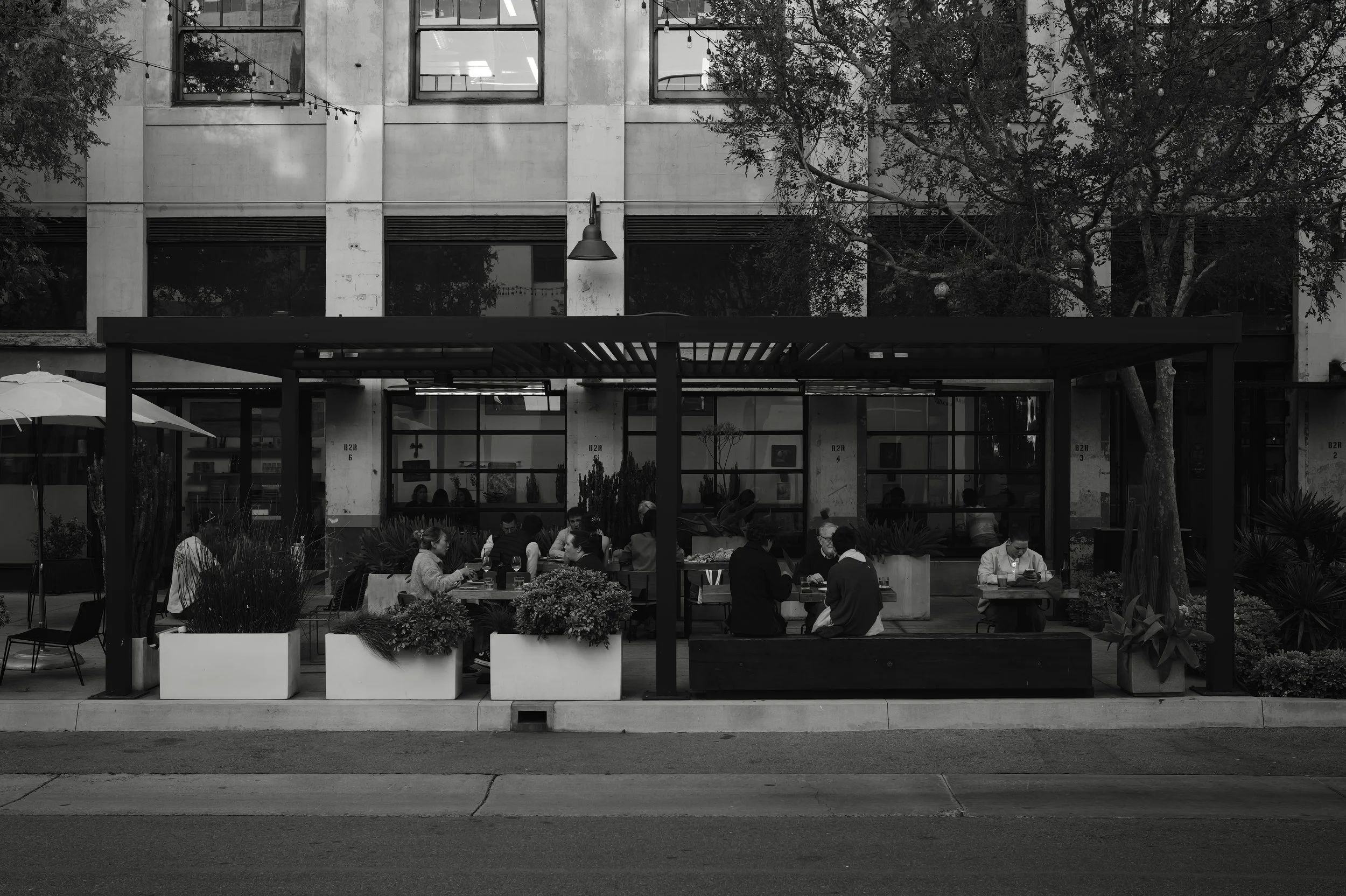
As I walked past restaurants, coffee shops, retail spaces, and creative offices, I found myself thinking less about the architecture and more about the businesses operating inside it.
Perhaps that’s the small business owner in me.
Whenever I visit a place like this, I can’t help but wonder what it takes to keep everything running. Behind every storefront is an entrepreneur facing the same realities as any other business owner. Rent must be paid. Payroll must be met. Customers must keep coming back.
The Row is undeniably beautiful, but beauty alone doesn’t sustain a business.
Long-term success depends on people returning week after week and businesses building communities strong enough to survive long after the novelty wears off.
That balance struck me as one of the most interesting aspects of the property. The Row exists as a historic landmark, a creative destination, and a business ecosystem all at the same time. Each of those identities strengthens the others, but each also brings its own challenges.
Perhaps that’s even more true because of where it’s located. Step outside The Row and you’re reminded that downtown Los Angeles is still a city in transition. Some blocks feel full of momentum, while others reveal the struggles that continue to shape the area.
I don’t see that as a criticism.
If anything, it’s part of what makes Los Angeles so fascinating.
Beauty and hardship often occupy the same street. Ambition and uncertainty frequently share the same address.
The Row feels like a reflection of that reality.
A place filled with creativity, optimism, and possibility, while remaining connected to the city surrounding it.
Perhaps that’s why it feels authentic.
A Reflection of Los Angeles Itself
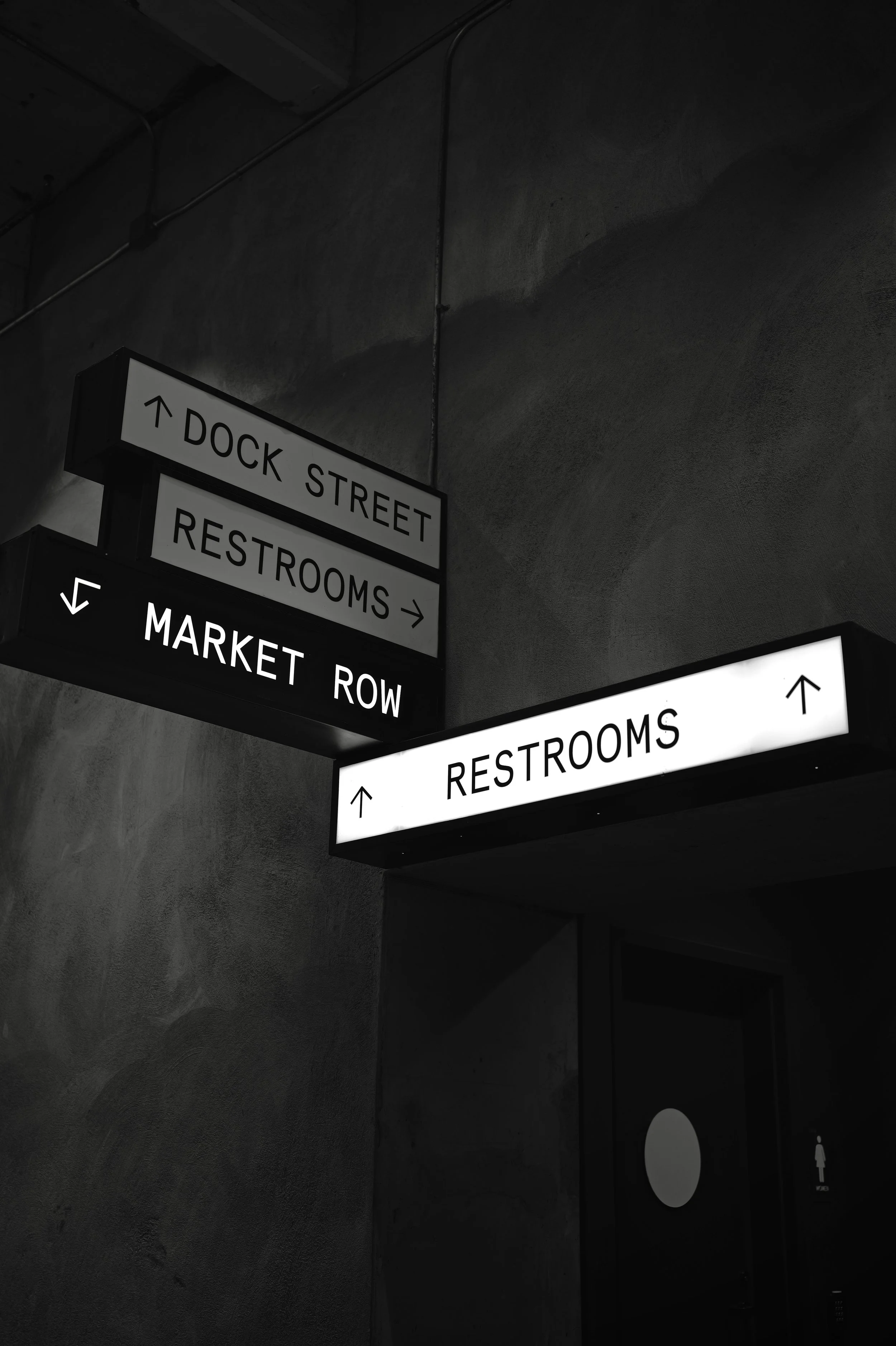
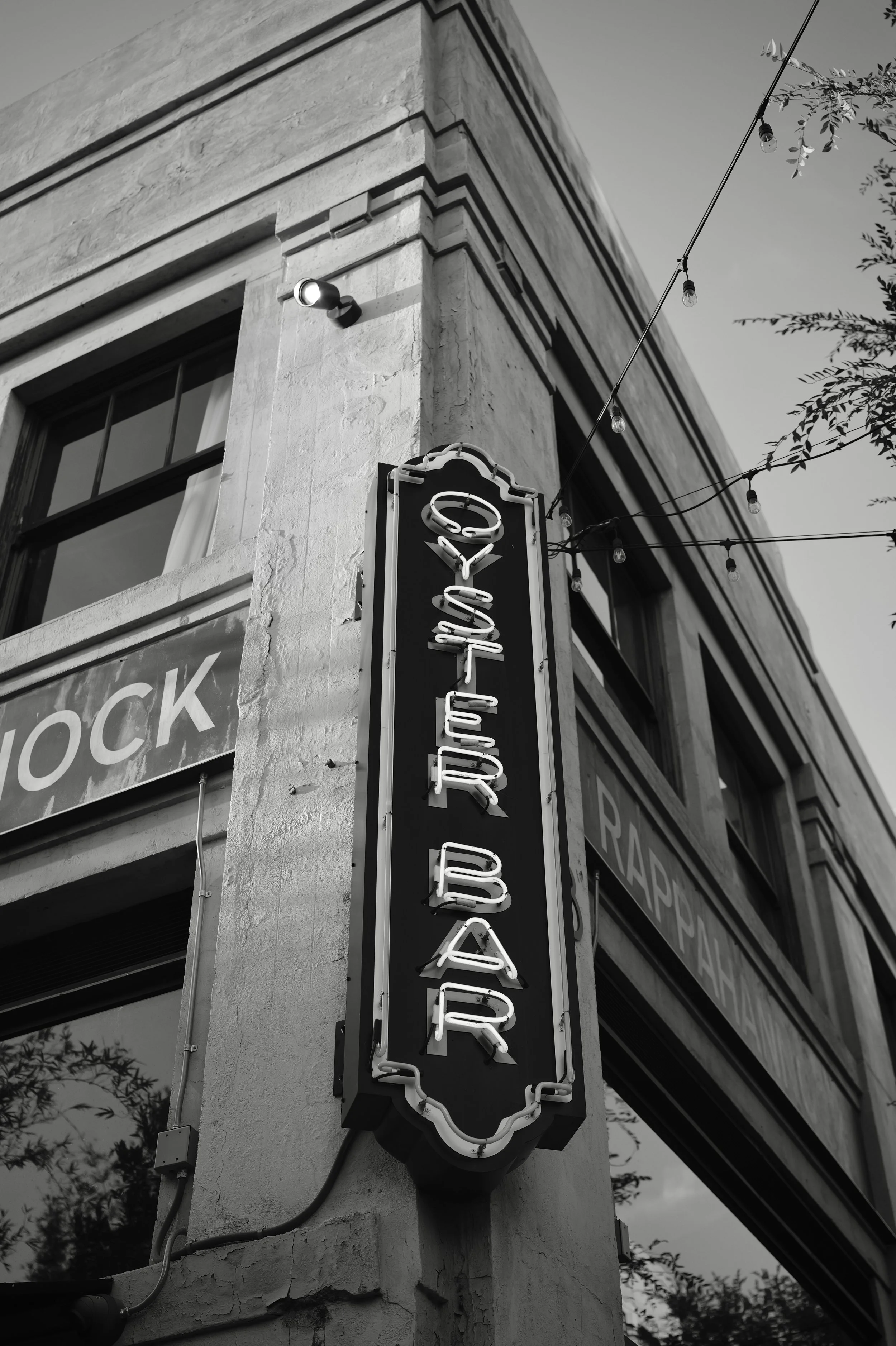
The more time I spent wandering through The Row, the more it began to feel like a reflection of Los Angeles itself.
Few cities reinvent themselves quite like Los Angeles. Old warehouses become creative offices. Industrial districts become cultural destinations. Buildings designed for one purpose are given an entirely new life a generation later.
The Row makes that transformation visible.
What struck me most was how little of the property’s history had been erased. The brick walls remain. The concrete columns still dominate the interiors. The oversized windows continue to flood the spaces with light just as they did decades ago.
The purpose of the buildings has changed, but their identity has not.
In a city that is constantly rebuilding itself, there’s something refreshing about that.
The Row doesn’t pretend to be something it isn’t. It doesn’t hide its industrial past behind modern trends or attempt to rewrite its story. Instead, it allows the history to remain visible while adapting to the needs of the present.
Perhaps that’s what I appreciated most.
The architecture remembers where it came from.
And because of that, the entire place feels authentic.
Leaving with More Questions Than Answers
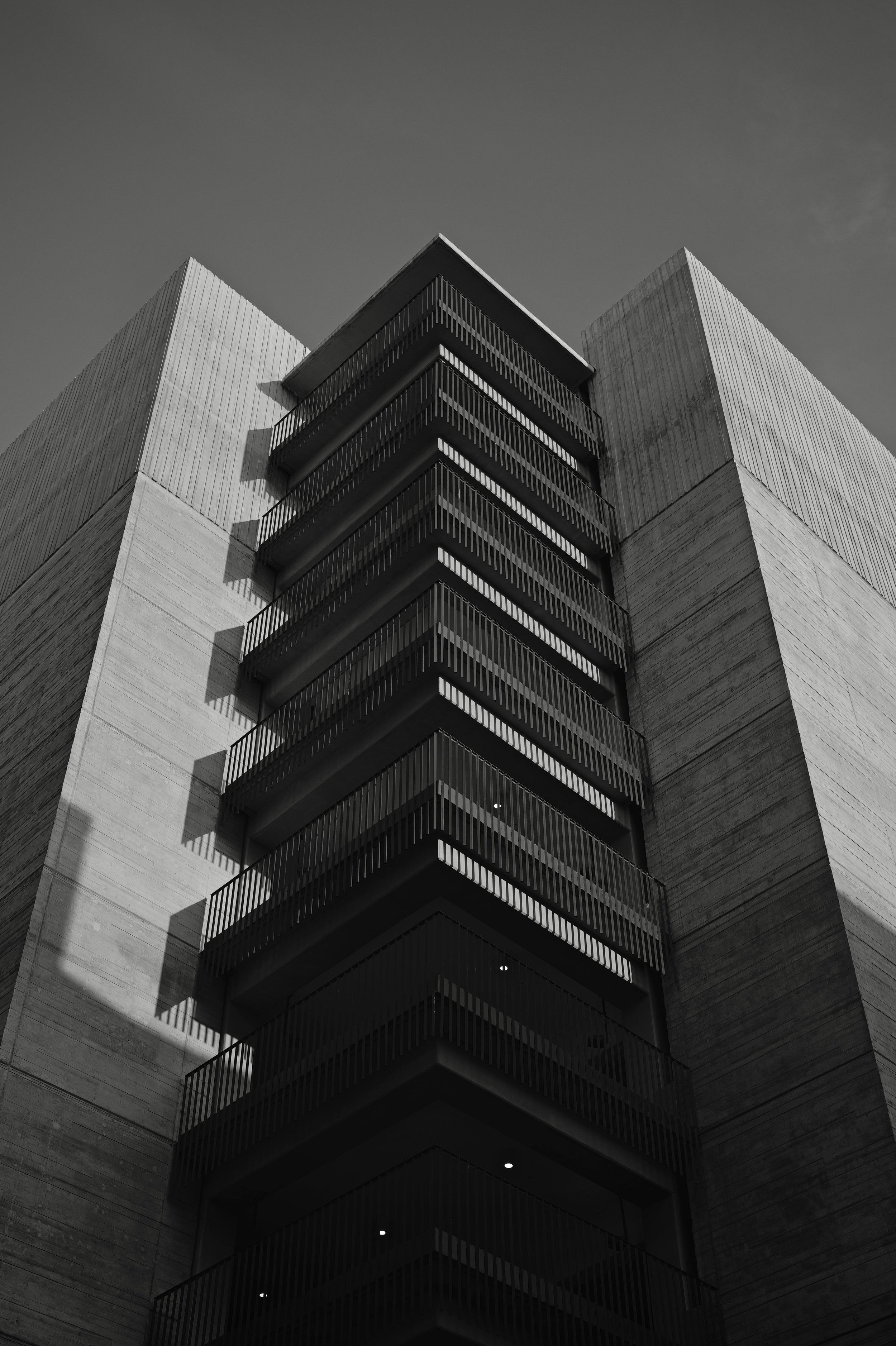
As the evening light began to disappear behind the buildings, I noticed myself taking fewer photographs and spending more time simply observing.
The camera was still in my hand, but my attention had shifted elsewhere. I found myself studying the architecture, watching the remaining visitors move through the property, and reflecting on everything the space had stirred up over the past few hours.
The best places often have that effect.
You arrive hoping to make photographs and leave thinking about something much larger.
What began as an exploration of architecture became a reflection on Los Angeles itself. Its history. Its reinvention. Its ambition. Its ability to transform old spaces without completely erasing the stories they carry.
Looking back at the photographs later that evening, I realized that my favorite images weren’t necessarily the most dramatic. They were the ones that captured the character of the place. The texture of the concrete. The rhythm of the windows. The way light and shadow moved through the corridors as the day came to an end.
Through the lens of my Leica Q3 43, photographed in gray, those details seemed to reveal themselves even more clearly.
By the time I left, I felt as though I had experienced more than a destination. I had spent a few hours walking through a small piece of Los Angeles’ past while watching it continue to reinvent itself in the present.
And for a photographer, that’s often the best kind of subject to find.